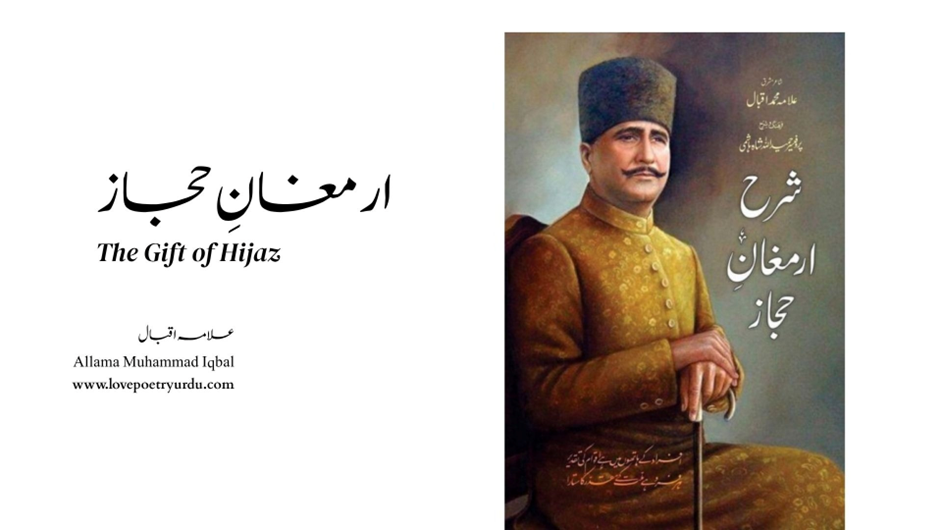
Armaghan-e-Hijaz ارمغانِ حجاز
The Gift of Hijaz
By Allama Muhammad Iqbal
Published: 1938 — Lahore (Posthumous)
Armaghan-e-Hijaz: The Gift of Hijaz
خلاصہ — ارمغانِ حجاز
ارمغانِ حجاز علامہ اقبال کی آخری اور بصیرت افروز شعری تصنیف ہے جو ان کی وفات کے فوری بعد ۲۱ اپریل ۱۹۳۸ء کو منظرِ عام پر آئی۔ یہ کتاب اقبال کے طویل فکری اور فلسفیانہ سفر کا نقطہٴ کمال سمجھی جاتی ہے، جس میں انہوں نے اپنی زندگی بھر کی دانش کو سمو دیا ہے۔
“ارمغانِ حجاز” کا لفظی مطلب ہے “حجاز کا تحفہ”۔ یہ نام اس پاکیزہ اور روحانی تڑپ کی عکاسی کرتا ہے جو اقبال اپنے آخری ایام میں بارگاہِ نبوی ﷺ میں بطور نذرانہ پیش کرنا چاہتے تھے۔ یہ کتاب ایک مفکر کی اپنے رب اور اس کے رسول ﷺ سے آخری گفتگو ہے۔
فکری پختگی — مصلح سے دانا (Sage) تک
سابقہ کلام کے برعکس، جہاں اقبال ایک انقلابی مصلح کے طور پر قوم کو عمل پر ابھارتے نظر آتے تھے، یہاں ان کا لہجہ ایک دانا اور بزرگ مفکر کا ہے جو زندگی بھر کے مشاہدات کا نچوڑ پیش کر رہا ہے۔ اب ان کی شاعری میں جوش و خروش کی جگہ “دعا”، “عاجزی” اور “سوز و گداز” کا رنگ غالب ہے۔
روحانی سفر اور حجاز کی یاد
کتاب کی ساخت ایک ایسے مسافر کی ہے جو تصور ہی تصور میں حجاز کے مقدس صحراؤں میں اونٹ پر سوار منزلِ مقصود کی طرف بڑھ رہا ہے۔ اس سفر کے دوران وہ جہاں اپنی داخلی کیفیات بیان کرتے ہیں، وہاں وہ حضور اکرم ﷺ کے سامنے امتِ مسلمہ اور پوری انسانیت کا مقدمہ بھی پیش کرتے ہیں۔
جدید نظاموں کا بے لاگ تجزیہ
اس کتاب میں اقبال نے اپنی مشہور نظم “ابلیس کی مجلسِ شوریٰ” کے ذریعے جدید دور کے سیاسی اور سماجی نظاموں کا گہرا تجزیہ کیا ہے۔ ان کے نزدیک اشتراکیت، ملوکیت اور بے لگام جمہوریت انسانیت کا حل نہیں، کیونکہ یہ نظام روحانیت سے خالی ہیں۔ وہ واضح کرتے ہیں کہ اصل فتنہ مادہ پرستی ہے جو انسان کو اپنے اصل مقصد سے دور کر رہی ہے۔
انسانیت کے نام آخری پیغام
ارمغانِ حجاز کا مرکزی پیغام یہ ہے کہ انسانیت کی نجات سائنسی ترقی یا مادی دولت میں نہیں، بلکہ اپنے اخلاقی اور روحانی مرکز کی طرف واپسی میں ہے۔ اقبال زور دیتے ہیں کہ علم کو ایمان کے تابع ہونا چاہیے اور “خودی” کو الہٰی حکمت کے سانچے میں ڈھلنا چاہیے۔
یہ مجموعہ ایک عظیم مفکر کی طرف سے انسانیت کے لیے وہ آخری “تحفہ” ہے جو فانی دنیا سے کوچ کرتے وقت دیا گیا، تاکہ آنے والی نسلیں اس سے روشنی حاصل کر سکیں۔
Armaghan-e-Hijaz: The Gift of Hijaz
Armaghan-e-Hijaz (The Gift of Hijaz) is the final and most reflective poetic work of Allama Iqbal. It was published on 21 April 1938, shortly after his death, and is widely regarded as the culmination of his entire philosophical and poetic journey.
Unlike his earlier works, which focus on awakening, revolution, selfhood, and collective revival, this book represents a shift into a deeper, more contemplative stage of thought. Here, Iqbal is no longer speaking as a reformer urging action, but as a sage summarizing the spiritual and intellectual truths of life after decades of reflection.
The title “Armaghan-e-Hijaz” (Gift from Hijaz) carries symbolic meaning. Hijaz refers to the sacred region of Islam (Makkah and Madinah), and the “gift” signifies a spiritual offering to humanity from the highest moral and religious consciousness. This gives the book a sense of finality, purity, and universal wisdom.
Historical and Intellectual Background
In the final years of his life, Iqbal’s health was deteriorating, but his intellectual engagement remained extremely active. During this phase, he was deeply concerned about the direction of modern civilization and the Muslim world.
The global context also influenced his thought:
- Rise of Western industrial capitalism
- Expansion of the materialistic worldview
- Political instability in colonized societies
- Decline of spiritual values in modern life
Iqbal observed that humanity had achieved scientific progress but had lost its moral and spiritual center. This contradiction became the central concern of Armaghan-e-Hijaz.
Unlike his earlier militant or reformist tone, this book reflects a calm philosophical maturity, where he evaluates life from a broader, almost timeless perspective.
Core Philosophical Concepts
In Armaghan-e-Hijaz, the aggressive “declaration of war” found in earlier books softens into a tone of Dua (Supplication) and Soz-o-Gudaz (Spiritual Melting).
- The Spiritual Journey: The book is structured as if the poet is a traveler on a camel, moving toward Medina. He shares his thoughts with the camel-driver, his fellow travelers, and ultimately, the Prophet (PBUH).
- The Critique of Modern “Isms”: Despite its spiritual tone, the book contains a sharp political analysis. In the famous poem Iblis ki Majlis-e-Shura (Satan’s Parliament), Iqbal analyzes Communism, Fascism, and Democracy, concluding that without a spiritual soul, these systems are merely masks for tyranny.
- The Future of Humanity: Iqbal addresses the “Companions of the Path,” giving them final instructions on how to maintain their dignity and faith in a godless age.
Publication Context and Structure
- Publication Date: 21 April 1938
- Posthumous publication after Iqbal’s death (1938)
- Language: Urdu and Persian
- Structure: Two major sections
- Persian Rubaiyat (quatrains)
- Urdu poems (philosophical reflections)
The structure itself reflects a duality:
- Persian section → universal philosophical wisdom
- Urdu section → emotional, cultural, and intellectual concerns of Muslims
Together, they form a complete intellectual synthesis of Iqbal’s life philosophy.
Detailed Summary of Armaghan-e-Hijaz
Armaghan-e-Hijaz is essentially a philosophical summary of Iqbal’s entire intellectual journey. It does not introduce new concepts but deepens and refines existing ones.
The book reflects on four major concerns:
First, the condition of humanity in the modern age. Iqbal criticizes societies that prioritize material wealth over spiritual growth. He believes this imbalance leads to moral decay and existential confusion.
Second, the concept of selfhood (Khudi) reaches its highest level here. It is no longer about struggle or development alone but about spiritual completion and alignment with divine wisdom.
Third, Iqbal reflects on knowledge and reason. He argues that intellect alone is insufficient unless guided by faith and inner insight. Without spiritual direction, knowledge becomes hollow.
Fourth, the book emphasizes universal human experience. Iqbal moves beyond regional or political identity and focuses on the shared spiritual condition of humanity.
The tone of the book is reflective, calm, and deeply philosophical. It feels like a final conversation between a thinker and humanity.
Poetic Style:
The style of Armaghan-e-Hijaz is marked by its brevity and intensity.
- Form: Most of the book uses the Quatrain (Rubai) format. This requires immense skill, as the poet must conclude a complex philosophical point within just four lines.
- Tone: The tone is nostalgic, humble, and visionary. There is a sense of a man standing between two worlds—the physical world he is leaving and the spiritual world he is entering.
- Symbolism: He uses the symbol of the Caravan Bell one last time, along with the Desert of Hijaz and the Bird of the Garden that is ready to fly away.
Selected Ash‘ar with Analysis
Shair=1
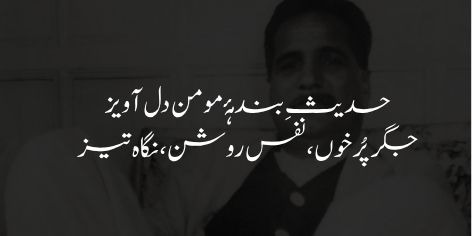
حدیثِ بندہۂ مومن دل آویز
جگر پُر خوں، نفس روشن، نگاہ تیز
Hadees-e-Banda’ay Momin dil awaiz
Jigar pur khoon, nafs roshan, nigah taiz
Analysis: Iqbal defines the “True Believer” through three distinct qualities. Jigar pur khoon (a bleeding liver/heart) signifies deep passion and empathy; Nafs roshan (an enlightened soul) represents spiritual clarity and purity; and Nigah taiz (a sharp vision) refers to the intellectual ability to see through the deceptions of the world. He suggests that the presence of such an individual is a “delightful story” (Hadees) for humanity.
Shair=2
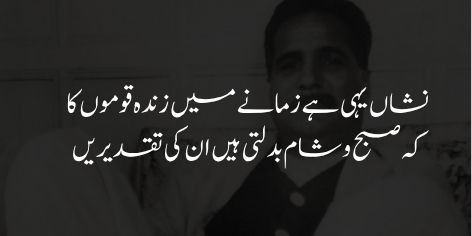
نشاں یہی ہے زمانے میں زندہ قوموں کا
کہ صبح و شام بدلتی ہیں ان کی تقدیریں
Nishan yehi hai zamane mein zinda qoumon ka
Ke subha-o-sham badalti hain in ki taqdeerain
Analysis: This verse challenges the concept of “fixed fate” or stagnation. Iqbal argues that “Living Nations” are those that refuse to remain static. Their destinies change “morning and evening” because they are constantly in motion, struggling, and evolving. To have a destiny that changes is a sign of life; a fixed, miserable fate is a sign of a dying civilization.
Shair=3
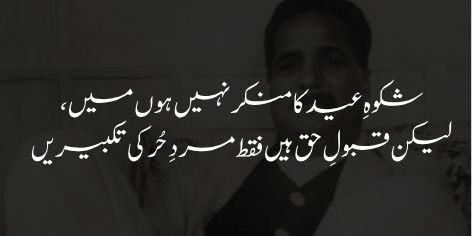
شکوہِ عید کا منکر نہیں ہوں میں،
لیکن قبولِ حق ہیں فقط مردِ حُر کی تکبیریں
Shikwa-e-Eid ka munkir nahin hun mein,
lekin Qabool-e-Haq hain faqat mard-e-hur ki takbeerain
Analysis: Iqbal does not dismiss the beauty of religious festivals like Eid, but he adds a layer of “Selfhood.” He argues that ritualistic prayers or shouts of “Allahu Akbar” (Takbeerain) are only truly accepted by God when they come from a Mard-e-Hur (a Free Man).
Shair=4
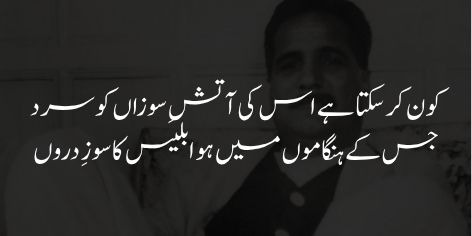
کون کر سکتا ہے اس کی آتشِ سوزاں کو سرد
جس کے ہنگاموں میں ہو ابلیس کا سوزِ دروں
Kon kar sakta hai uss ki aatish soozan ko sard
Jis ke hungamon mein ho Iblees ka souz-e-daroon
Analysis: This is a more complex philosophical verse. Iqbal refers to the “internal fire” or restless ambition. He suggests that the intense, burning energy of a person—even if it appears rebellious or chaotic (like the fire of Iblis/Satan)—is so powerful that nothing in the world can extinguish it. It highlights the power of raw, internal passion to create upheaval.
Shair=5
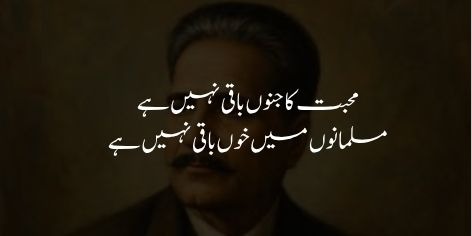
ہے یہ مشک آمیز افیون ہم غلاموں کے لیے
ساحرِ انگلیں! مرا خواجہء دیگر تراش
Hai ye mushk amaiz afyoon hum ghulamon ke liye
Sahir-e-Ungleen! mara khawaja’ay digar taraash
Analysis: In this biting critique from Zarb-e-Kaleem, Iqbal compares the “soft” and “sweet” literature and culture of his time to opium mixed with musk. He argues that this kind of art puts slaves to sleep rather than waking them up. He sarcastically asks the “English Magician” (Western influences) to carve out a new master for the slaves, mocking those who are happy to trade one master for another instead of seeking freedom.
Shair=6
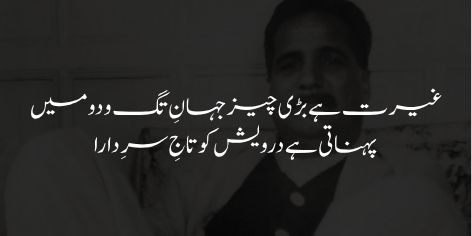
غیرت ہے بڑی چیز جہانِ تگ و دو میں
پہناتی ہے درویش کو تاجِ سرِ دارا
Ghairat hai bari cheez jahan-e-tagg-o-dou Mein
Pehnati hai darvesh ko taj-e-sar-e-Dara
Analysis: Ghairat (Self-respect/Honor) is the highest virtue in the “world of struggle.” Iqbal claims that even a humble Dervish (a poor, spiritual person), if he possesses self-respect, is more royal than a king. This Ghairat places the crown of the Great Persian King Darius (Dara) upon the head of the humble seeker. Honor, not wealth, is the true measure of kingship.
Shair=7
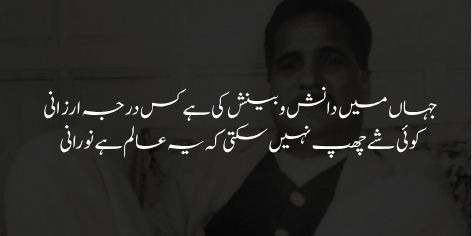
جہاں میں دانش و بینش کی ہے کس درجہ ارزانی
کوئی شے چھپ نہیں سکتی کہ یہ عالم ہے نورانی
(Jahan mein danish-o-beenish ki hai kis darja arzani
Koi shay chup nahi sakti ke yeh aalam hai noorani)
Analysis: Iqbal highlights the explosion of scientific knowledge and intellect in the modern world, making information widely accessible (Arzani). He describes this era as “luminous” because the light of reason has stripped away the mysteries of nature, leaving nothing hidden from human inquiry.
نتیجہ (Conclusion)
ارمغانِ حجاز علامہ اقبال کا وہ عظیم فکری اور روحانی وصیت نامہ ہے جو انسانیت کو مادہ پرستی کے اندھیروں سے نکال کر خود شناسی کی روشنی کی طرف بلاتا ہے۔ یہ کتاب ہمیں یہ سبق دیتی ہے کہ جدید دور کے پیچیدہ مسائل اور ذہنی انتشار کا حل محض سائنسی ایجادات یا معاشی ترقی میں نہیں، بلکہ اپنے حقیقی روحانی مرکز کی طرف واپسی اور اللہ کے رسول ﷺ سے عشق و وفاداری میں پوشیدہ ہے۔
اس کتاب کا نچوڑ یہ ہے کہ انسان کو اپنی “خودی” کو الہٰی احکامات کے تابع کرنا چاہیے تاکہ وہ زمین پر خدا کا سچا نائب بن سکے۔ یہ مجموعہ ہمیں یہ یقین دلاتا ہے کہ ہم محض ایک فانی وجود نہیں بلکہ ایک لازوال قوت کے امین ہیں؛ اگر ہم اپنی اس چھپی ہوئی طاقت کو پہچان لیں تو ہم تاریخ کے دھارے کو موڑنے کی صلاحیت رکھتے ہیں۔ ارمغانِ حجاز ہر اس روح کے لیے ایک دائمی مشعلِ راہ ہے جو غلامی کی زنجیریں توڑ کر ایک باوقار، آزاد اور با مقصد زندگی گزارنے کی تمنا رکھتی ہے۔
Roman Urdu: Natija
Armaghan-e-Hijaz Allama Iqbal ka woh azeem fikri aur roohani wasiyat-nama hai jo insaniyat ko madda-parasti ke andheron se nikal kar khud-shanasi ki roshni ki taraf bulata hai. Yeh kitab humein yeh sabaq deti hai ke jadeed dour ke pechida masail aur zehni intishar ka hal mahz sainsi ijaadat ya maashi taraqqi mein nahi, balkay apne haqiqi roohani markaz ki taraf wapasi aur Allah ke Rasool ﷺ se ishq-o-wafa-dari mein posheeda hai.
Is kitab ka nichor yeh hai ke insan ko apni “Khudi” ko ilahi ahkamaat ke tabe karna chahiye takay woh zameen par Khuda ka sacha naib ban sakay. Yeh majmua humein yeh yaqeen dilata hai ke hum mahz ek faani wajood nahi balkay ek lazawal quwwat ke ameen hain; agar hum apni is chhupi hui taqat ko pehchan lein to hum tareekh ke dhare ko morne ki salahiyat rakhte hain. Armaghan-e-Hijaz har us rooh ke liye ek daimi mashal-e-rah hai jo ghulami ki zanjeerein tor kar ek ba-waqar, azad aur ba-maqsad zindagi guzarne ki tamanna rakhti hai.
English: Conclusion
Armaghan-e-Hijaz stands as a profound spiritual and intellectual testament, guiding humanity away from the shadows of materialism toward the illuminating light of self-realization. It imparts the vital lesson that the solutions to the complex crises and psychological unrest of the modern age are not found in scientific inventions or economic growth alone, but in returning to our true spiritual roots and fostering a deep, loyal devotion to the Prophet Muhammad (PBUH).
The essence of this work lies in the refinement of the “Self” (Khudi) in alignment with Divine wisdom, enabling the individual to become a true vicegerent of God on Earth. This collection assures us that we are not merely transitory beings of clay, but custodians of an eternal power; if we recognize this latent potential, we possess the ability to reshape the very course of history. Ultimately, Armaghan-e-Hijaz remains a timeless beacon for every soul seeking to shatter the chains of mental slavery and aspire to a life of dignity, freedom, and divine purpose.