
(Asrar-e-Khudi-20) Hikayat-e-Sheikh Wa Barhaman Wa Mukalma Ganga Wa Hamala
حکایتِ شیخ و برہمن و مکالمہ گنگا و ہمالہ
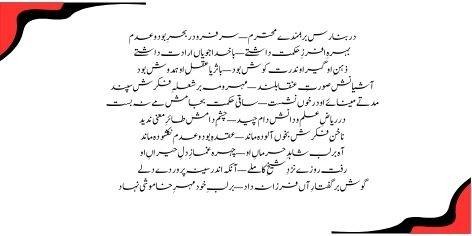
در بنارس برہمندے محترم — سرفرو در بحرِ بود و عدم
بہرہِ افرزِ حکمت داشتے — با خدا جویاں ارادت داشتے
ذہنِ او گیرا و ندرت کوش بود — با ثریا عقلِ او ہمدوش بود
آشیانش صورتِ عنقا بلند — مہر و مہ بر شعلہِ فکرش سپند
مدتے مینائے او در خوں نشست — ساقیِ حکمت بجامش مے نہ بست
در ریاضِ علم و دانش دام چید — چشمِ دامش طائرِ معنی ندید
ناخنِ فکرش بخوں آلودہ ماند — عقدہِ بود و عدم نکشودہ ماند
آہ بر لب شاہدِ حرماںِ او — چہرہ غمازِ دلِ حیراںِ او
رفت روزے نزدِ شیخِ کاملے — آنکہ اندر سینہ پرو ردے دلے
گوش بر گفتارِ آں فرزانہ داد — بر لبِ خود مہرِ خاموشی نہاد
Roman Urdu
Dar Banaras barhamande muhtaram, sar-faro dar bahr-e-bod o adam. Bahra-e-afraz-e-hikmat dashte, ba khuda-joyan iradat dashte. Zehn-e-oo geera o nudrat kosh bood, ba Surayya aql-e-oo ham-dosh bood. Ashiyan-ash surat-e-anqa buland, muhr o mah bar shoala-e-fikrash sipand. Muddate meena-ye-oo dar khoon nishast, saqi-e-hikmat ba-jamash may na bast. Dar riyaz-e-ilm o danish daam cheed, chashm-e-damash tair-e-ma’ani na-deed. Nakhun-e-fikrash ba-khoon aaluda maand, uqda-e-bod o adam na-kshuda maand. Aah bar lab shahid-e-hirman-e-oo, chehra ghammaz-e-dil-e-hairan-e-oo. Raft roze nazd-e-shaikh-e-kaamile, ankay andar seena parwarday dile. Gosh bar guftar-e-aan farzana daad, bar lab-e-khud muhr-e-khamoshi nihad.
English Translation
In the city of Banaras, there lived a respected Brahmin who was deeply immersed in the ocean of “existence and non-existence” (the mysteries of life and death). He possessed a vast share of wisdom and held great devotion for those who sought God. His mind was quick to grasp and sought novelty; his intellect was a peer to the Pleiades (the stars) in its height. His “nest” (thoughts) was as high as the mythical Phoenix; the sun and moon were like tiny seeds of wild rue on the flame of his thought. For a long time, his “decanter” (heart) remained filled with blood (due to intense struggle), yet the Saki of Wisdom did not pour wine into his cup. He spread nets in the gardens of knowledge and science, but the eye of his net never saw the bird of reality. The fingernail of his thought remained stained with blood, yet the knot of “existence and non-existence” remained untied. A sigh on his lips bore witness to his deprivation; his face was a betrayer of his bewildered heart. One day, he went to a perfect saint (Sheikh), one who nurtured a true heart within his breast. He gave ear to the discourse of that wise man and placed the seal of silence upon his own lips.
Urdu Translation
بنارس شہر میں ایک معزز برہمن ہستی اور نیستی (فنا و بقا) کے سمندر میں ڈوبا رہتا تھا۔ اسے دانائی کا بہت بڑا حصہ عطا ہوا تھا اور اسے اللہ کی تلاش میں رہنے والوں (اللہ والوں) سے عقیدت تھی۔ اس کا ذہن مطلب کو پا جانے والا اور نت نئی انوکھی بات نکالنے والا تھا۔ اس کی عقل بلندی میں ستاروں (پروین) کے برابر تھی۔ اس کی فکر اتنی بلند تھی کہ سورج اور چاند اس کے غور و فکر کے شعلے پر کالے دانے کی مانند لگتے تھے۔ مدت تک وہ فکری محنت و مشقت میں لگا رہا لیکن حکمت و دانائی کے ساقی نے اس کے پیالے میں شراب نہ ڈالی (یعنی اسے منزل نہ ملی)۔ اس نے علم و دانش کے باغ میں مسلسل جال بچھائے رکھا لیکن حقیقت کا کوئی پرندہ اس کے قابو میں نہ آیا۔ اس کی فکر کا ناخن عقدے (گتھیاں) کھولتے کھولتے لہو سے آلودہ ہو گیا مگر ہستی اور نیستی کے فلسفے کی گتھی نہ سلجھ سکی۔ اس کے لبوں پر موجود آہ اس کی محرومی کی گواہ تھی اور اس کا چہرہ اس کے حیران دل کی نشاندہی کرتا تھا۔ ایک روز وہ کسی کامل بزرگ (شیخِ کامل) کے پاس گیا جس کے سینے میں حق شناس دل موجود تھا۔ برہمن نے اس دانشمند کی باتوں کو غور سے سنا اور اپنے لبوں پر خاموشی کی مہر لگا لی۔
Roman Urdu
Banaras shehr mein ek mu’azzaz barhaman hasti aur neesti (fana o baqa) ke samundar mein doba rehta tha. Usay danayi ka bohat bara hissa ata hua tha aur usay Allah ki talash mein rehne walon (Allah walon) se aqidat thi. Us ka zehn matlab ko pa jane wala aur nit-nayi anokhi baat nikalne wala tha. Us ki aql bulandi mein sitaron (parveen) ke barabar thi. Us ki fikr itni buland thi ke suraj aur chand us ke ghor o fikr ke shoalay par kaalay daane ki manand lagtay thay.
Muddat tak woh fikri mehnat o mushaqqat mein laga raha lekin hikmat o danayi ke saqi ne us ke pyalay mein sharab na daali (yani usay manzil na mili). Us ne ilm o danish ke bagh mein musalsal jaal bichhaye rakha lekin haqiqat ka koi parinda us ke qabu mein na aya. Us ki fikr ka nakhun uqday (gutthiyan) kholtay kholtay lahoo se aaluda ho gaya magar hasti aur neesti ke falsafay ki gutthi na sulajh saki. Us ke labon par maujood aah us ki mahroomi ki gawah thi aur us ka chehra us ke hairan dil ki nishandahi karta tha.
Ek roz woh kisi kamil buzurg (Shaikh-e-Kamil) ke paas gaya jis ke seenay mein haq-shinas dil maujood tha. Barhaman ne us danishmand ki baaton ko ghor se suna aur apne labon par khamoshi ki muhr laga li.
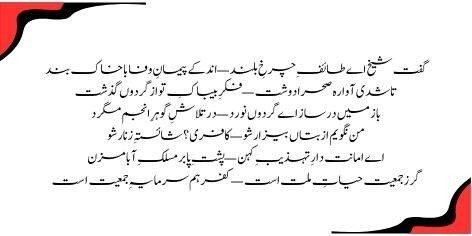
گفت شیخ اے طائفِ چرخِ بلند — اندکے پیمانِ وفا با خاک بند
تاشدی آوارہ صحرا دوشت — فکرِ بیباکِ تو از گردوں گذشت
باز میں درسا ز اے گردوں نورد — در تلاشِ گوہرِ انجم مگرد
من نگویم از بتاں بیزار شو — کافری؟ شائستہِ زنار شو
اے امانت دارِ تہذیبِ کہن — پشتِ پا بر مسلکِ آبا مزن
گر ز جمعیت حیاتِ ملت است — کفر ہم سرمایہِ جمعیت است
Roman Urdu
Guft Shaikh ay taif-e-charkh-e-buland, andkay paiman-e-wafa ba khak band. Ta-shudi awara-e-sahra doshat, fikr-e-bebak-e-tu az gardoon guzasht. Baz mein darsaz ay gardoon-navard, dar talash-e-gohar-e-anjum magard. Man na-goyam az butaan bezar sho, kafiri? shaista-e-zunnar sho. Ay amanat-dar-e-tehzeeb-e-kuhan, pusht-e-pa bar maslak-e-aaba mazan. Gar zi jamiyat hayat-e-millat ast, kufr ham sarmaya-e-jamiyat ast.
English Translation
The Sheikh said, “O you who fly around the high heavens, for a moment, bind yourself in a pledge of loyalty to the earth”. “Since you became a wanderer of the wilderness, your bold thought has surpassed the sky”. “Come back and dwell within your own boundaries, O traveler of the heavens; do not wander in search of the pearls of the stars”. “I do not tell you to be weary of idols; if you are a disbeliever (Kafir), then at least be worthy of the sacred thread (Zunnar)”. “O trustee of an ancient civilization, do not turn your back on the path of your ancestors”. “If the life of a nation depends on its unity (community), then even ‘disbelief’ can be a source of that unity”.
Urdu Translation
شیخ نے (برہمن سے) کہا: اے اونچے آسمان کے چکر لگانے والے! ذرا زمین (اپنی اصل) کے ساتھ بھی وفاداری کا عہد کر۔ جب سے تو صحراؤں میں بھٹکنے لگا ہے، تیری بے باک فکر آسمانوں سے بھی آگے نکل گئی ہے۔ اے آسمانوں کی سیر کرنے والے! واپس اپنی حدوں میں رہنا سیکھ اور ستاروں کے موتی تلاش کرنے کے لیے در در نہ بھٹک۔ میں تجھ سے یہ نہیں کہتا کہ تو بتوں سے بیزار ہو جا، بلکہ اگر تو کافر ہے تو پھر سچا کافر بن کر دکھا اور زنار پہننے کا اہل بن۔ اے پرانی تہذیب کے امانت دار! اپنے آباؤ اجداد کے طریقے اور مسلک کو ٹھوکر نہ مار۔ اگر کسی قوم کی زندگی اس کے اتحاد اور جمعیت میں ہے، تو یاد رکھ کہ کفر (اپنی روایات پر پختگی) بھی جمعیت کا ایک ذریعہ ہے۔
Roman Urdu
Shaikh ne (barhaman se) kaha: Ay oonchay aasman ke chakkar lagane wale! Zara zameen (apni asal) ke sath bhi wafadari ka ahad kar. Jab se tu sahraon mein bhatakne laga hai, teri bebak fikr aasmanon se bhi aagay nikal gayi hai. Ay aasmanon ki sair karne wale! Wapas apni hadon mein rehna seekh aur sitaron ke moti talash karne ke liye dar dar na bhatak. Main tujh se yeh nahi kehta ke tu butaan se bezar ho ja, balkay agar tu kafir hai to phir sacha kafir ban kar dikha aur zunnar pehn-ne ka ahal ban. Ay purani tehzeeb ke amanat-dar! Apne aaba-o-ajdad ke tareeqay aur maslak ko thokar na maar. Agar kisi qoum ki zindagi us ke ittehad aur jamiyat mein hai, to yaad rakh ke kufr (apni riwayat par pukhtagi) bhi jamiyat ka ek zariya hai.
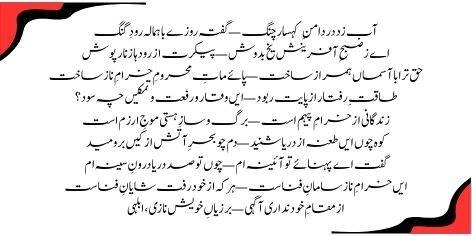
آب زد در دامنِ کہسار چنگ — گفتہ روزے با ہمالہ رودِ گنگ
اے ز صبحِ آفرینش یخ بدوش — پیکرت از رودہا زنار پوش
حق ترا با آسماں ہمراز ساخت — پائے ماتِ محرومِ خرامِ ناز ساخت
طاقتِ رفتار از پایت ربود — ایں وقار و رفعت و تمکیں چہ سود؟
زندگانی از خرامِ پیہم است — برگ و سازِ ہستی موجِ ارزم است
کوہ چوں ایں طعنہ از دریا شنید — دم چو بحرِ آتش از کیں برومید
گفت اے پہنائے تو آئینہ ام — چوں تو صد دریا درونِ سینہ ام
ایں خرامِ ناز سامانِ فناست — ہر کہ از خود رفت شایانِ فناست
از مقامِ خود نداری آگہی — بر زیاںِ خویش نازی، ابلہی
Roman Urdu
Aab zad dar daman-e-kohsar chang, gufta roze ba Hamala rud-e-Gung. Ay zi subh-e-afreenish yakkh ba-dosh, paykarat az rud-ha zunnar posh. Haq tura ba aasman hamraz sakht, pay-e-mat-e-mahroom-e-khiram-e-naz sakht. Taqat-e-raftar az payat rabood, een waqar o rifat o tamkeen che sud?. Zindagani az khiram-e-paiham ast, barg o saz-e-hasti-e-mouj-e-arzam ast. Koh chun een tana az darya suneed, dam chu bahr-e-atish az keen bar-umeed. Guft ay pehnaye tu aaina-am, chun tu sad darya daroon-e-seena-am. Een khiram-e-naz saman-e-fana-st, har ki az khod raft shayan-e-fana-st. Az maqam-e-khod nadari aagahi, bar ziyan-e-khuish naazi, ablahi!.
English Translation
The river Ganges, striking its hands against the skirt of the mountain, said one day to the Himalayas: “O you who have carried ice on your shoulders since the morning of creation, and whose body is draped in rivers like a sacred thread. God made you a confidant of the heavens, but He made your feet immobile and deprived of graceful movement.
He took away the power of movement from your feet; what use then is all this dignity, height, and grandeur?. Life consists of constant movement; the essence of existence is the thrill of the wave”. When the mountain heard this taunt from the river, its breath billowed like an ocean of fire out of indignation.
It replied: “O you whose expanse is my mirror, a hundred rivers like you dwell within my breast. This graceful movement of yours is the instrument of your annihilation; whoever leaves their self is worthy of death. You have no awareness of your own station; you pride yourself on your own loss—how foolish!”
Urdu Translation
دریائے گنگا نے پہاڑ کے دامن میں ہاتھ مارتے ہوئے (لہریں ٹکراتے ہوئے) ایک دن ہمالیہ سے کہا: اے وہ جس کے کندھوں پر تخلیق کی صبح سے برف رکھی ہے اور تیرا جسم ندیوں کی شکل میں زنار پہنے ہوئے ہے۔ اللہ نے تجھے آسمان کا ہمراز تو بنا دیا، لیکن تیرے پاؤں کو چلنے کی لذت سے محروم کر دیا۔ اس نے تیرے پاؤں سے چلنے کی طاقت چھین لی، پھر اس وقار، بلندی اور دبدبے کا کیا فائدہ؟۔ زندگی تو مسلسل چلنے اور حرکت کرنے کا نام ہے، لہروں کا اضطراب ہی ہستی کا اصل سرمایہ ہے۔ پہاڑ نے جب دریا سے یہ طعنہ سنا تو غصے کی وجہ سے اس کا سانس آگ کے سمندر کی طرح نکلنے لگا۔ اس نے کہا: اے وہ جس کی وسعت میرے لیے آئینہ ہے، تیرے جیسے سو دریا میرے سینے کے اندر موجود ہیں۔ تیری یہ ناز نخرے والی چال (روانی) دراصل تیری فنا کا سامان ہے، کیونکہ جو بھی اپنی حد سے نکل جاتا ہے وہ مٹ جانے کے قابل ہے۔ تجھے اپنے مقام کی کوئی خبر نہیں ہے، تو اپنے ہی نقصان پر فخر کر رہی ہے، تو کتنی نادان ہے!۔
Roman Urdu
Daryaye Gunga ne pahar ke daman mein hath martay hue (lehrein takratay hue) ek din Hamala se kaha: Ay woh jis ke kandhon par takhliq ki subh se barf rakhi hai aur tera jism nadiyon ki shakal mein zunnar pehnay hue hai. Allah ne tujhe aasman ka hamraz to bana diya, lekin tere paon ko chalne ki lazzat se mahroom kar diya. Us ne tere paon se chalne ki taqat chheen li, phir is waqar, bulandi aur dabdabay ka kya faida?. Zindagi to musalsal chalne aur harkat karne ka naam hai, lehron ka iztirab hi hasti ka asal sarmaya hai. Pahar ne jab darya se yeh tana suna to ghussay ki wajah se us ka saans aag ke samundar ki tarah nikalne laga.
Us ne kaha: Ay woh jis ki wusat mere liye aaina hai, tere jaise so darya mere seenay ke andar maujood hain. Teri yeh naaz nakhray wali chaal (rawani) darasal teri fana ka saman hai, kyunke jo bhi apni had se nikal jata hai woh mit janay ke qabil hai. Tujhe apne maqam ki koi khabar nahi hai, tu apne hi nuqsan par fakhr kar rahi hai, tu kitni nadan hai!.
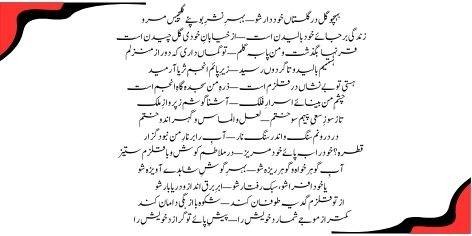
بہچو گل درگلستاں خود دار شو — بہرِ نشرِ بو پئے گلچیں مرو
زندگی برجائے خود بالیدن است — از خیابانِ خودی گل چیدن است
قرنہا بگذشت و من پابہ گلم — تو گماں داری کہ دور از منزلم
ہستیم بالید و تا گردوں رسید — زیرِ پائم انجمِ ثریا آرمید
ہستی تو بے نشاں در قلزم است — ذرہِ من سجدہ گاہِ انجم است
چشمِ من بینائے اسرارِ فلک — آشنا گوشم ز پروازِ ملک
تاز سوزِ سعیِ پیہم سوختم — لعل و الماس و گہر اندوختم
در درونم سنگ و اندر سنگ نار — آبِ را بر نارِ من نبود گزار
قطرہ؟ خود را بہ پائے خود مریز — در ملاطم کوش و با قلزم ستیز
آبِ گوہر خواہ و گوہر ریزہ شو — بہرِ گوشِ شاہدے آویزہ شو
یا خود افراشو، سبک رفتار شو — ابرِ برق انداز و دریا بار شو
از تو قلزم گدیہ طوفان کند — شکوہ با ازبگی دامان کند
کمتر از موجے شمارد خویش را — پیشِ پائے تو گرازد خویش را
Roman Urdu
Bah-chu gul dar gulistan khod-dar sho, bahr-e-nashr-e-bu paye gul-cheen maro. Zindagi bar-jaye khod baleedan ast, az khayaban-e-khudi gul cheedan ast. Qarn-ha bugzasht o man pa-ba-gilam, tu guman dari ki door az manzalam. Hastiyam baleed o ta gardoon raseed, zir-e-payam anjum-e-Surayya aarameed. Hasti-e-tu be-nishan dar qulzum ast, zarra-e-man sajda-gah-e-anjum ast. Chashm-e-man binaye asrar-e-falak, aashna gosham zi parwaz-e-malak. Ta zi soz-e-say-e-paiham sokhtam, la’l o almas o gohar andokhtam. Dar daronam sang o andar sang naar, aab ra bar naar-e-man nabood guzar. Qatra? khod ra ba paye khod mareez, dar mulatam kosh o ba qulzum sateez. Aab-e-gohar khwah o gohar reeza sho, bahr-e-gosh-e-shahiday aaweza sho. Ya khod afrasho, subuk raftar sho, abr-e-barq andaz o darya baar sho. Az tu qulzum gadya-e-tufan kunad, shakwa ba az-bagi-e-daman kunad. Kamtar az moujay shumard khuish ra, pesh-e-paye tu gurazad khuish ra.
English Translation
Be self-possessing in the garden like the rose; do not go to the flower-gatherer for the sake of spreading your fragrance. Life consists of growing within one’s own place and gathering flowers from the garden of the Self. Centuries have passed and I am rooted in the earth; you imagine that I am far from my goal. My existence grew until it reached the heavens, and the stars of the Pleiades came to rest beneath my feet. Your existence is lost and nameless in the ocean, while my smallest particle is a place of prostration for the stars. My eye sees the secrets of heaven, and my ear is familiar with the flight of angels. Because I burned with the heat of constant effort, I accumulated rubies, diamonds, and pearls. Within me is stone, and within the stone is fire; water has no passage over my internal flame. Are you a mere drop?
Do not spill yourself at your own feet; strive in the turmoil and contend with the ocean. Seek the luster of the pearl and become a fragment of a gem; hang as an ornament for the ear of a beauty. Or lift yourself up, become swift in motion; become a lightning-throwing and sea-showering cloud. Then the ocean will beg for a storm from you and complain of the narrowness of its skirts. It will consider itself less than a wave and melt away before your feet.
Urdu Translation
پھول کی مانند گلستان میں خود دار بن؛ اپنی خوشبو پھیلانے کے لیے پھول توڑنے والے (گلچیں) کے پیچھے مت جا۔ زندگی اپنے ہی مقام پر نشوونما پانے اور اپنی خودی کے خیابان سے پھول چننے کا نام ہے۔ صدیاں گزر گئیں اور میں اپنی جگہ پر جما ہوا ہوں؛ تو یہ سمجھتی ہے کہ میں منزل سے دور ہوں۔ میری ہستی اتنی بڑھی کہ آسمان تک پہنچ گئی اور ثریا جیسے ستارے میرے پاؤں کے نیچے آرام کرتے ہیں۔ تیری ہستی تو سمندر میں فنا ہو کر بے نشان ہو جاتی ہے، جبکہ میرا ایک ایک ذرہ ستاروں کی سجدہ گاہ ہے۔ میری آنکھ آسمان کے اسرار دیکھتی ہے اور میرے کان فرشتوں کی پرواز کی آواز سے واقف ہیں۔ مسلسل محنت و کوشش کے سوز میں تپنے کی وجہ سے میں نے اپنے اندر لعل، ہیرے اور موتی جمع کیے ہیں۔ میرے اندر پتھر ہیں اور پتھروں کے اندر آگ چھپی ہے؛ پانی کا میرے اندر کی آگ پر کوئی گزر نہیں ہے۔ کیا تو محض ایک قطرہ ہے؟ اپنے آپ کو یوں ہی پاؤں میں مت گرا، بلکہ سمندر کی موجوں سے ٹکرا اور اس سے مقابلہ کر۔ موتی کی چمک پیدا کر اور
خود ایک قیمتی جوہر بن جا تاکہ کسی حسینہ کے کان کی بالی بن سکے۔ یا پھر اپنی بلندی کو پہچان اور سبک رفتار بن کر ایسا بادل بن جا جو بجلی گرائے اور دریا برسا دے۔ تب سمندر تجھ سے طوفان کی بھیک مانگے گا اور اپنے دامن کی تنگی کا شکوہ کرے گا۔ وہ خود کو ایک موج سے بھی کم تر سمجھے گا اور تیرے پاؤں کے سامنے اپنی ہستی پگھلا دے گا۔
Roman Urdu
Phool ki manand gulistan mein khod-dar ban; apni khushbu phelane ke liye phool torhne wale (gul-cheen) ke peechay mat ja. Zindagi apne hi maqam par nasho-numa pane aur apni khudi ke khayaban se phool chunne ka naam hai. Sadiyan guzar gayin aur main apni jagah par jama hua hoon; tu yeh samajhti hai ke main manzil se door hoon. Meri hasti itni barhi ke aasman tak pohanch gayi aur Surayya jaise sitare mere paon ke neechay aaram karte hain. Teri hasti to samundar mein fana ho kar be-nishan ho jati hai, jabke mera ek ek zarra sitaron ki sajda-gah hai. Meri aankh aasman ke asrar dekhti hai aur mere kaan farishton ki parwaz ki awaz se waqif hain.
Musalsal mehnat o koshish ke soz mein tapne ki wajah se main ne apne andar la’l, heeray aur moti jama kiye hain. Mere andar patthar hain aur pattharon ke andar aag chhupi hai; paani ka mere andar ki aag par koi guzar nahi hai. Kya tu mahz ek qatra hai? Apne aap ko yun hi paon mein mat gira, balkay samundar ki moujon se takra aur us se muqabla kar. Moti ki chamak paida kar aur khod ek qeemti johar ban ja takay kisi haseena ke kaan ki baali ban sakay. Ya phir apni bulandi ko pehchan aur subuk raftar ban kar aisa baadal ban ja jo bijli giraye aur darya barsa de. Tab samundar tujh se tufan ki bheek mangay ga aur apne daman ki tangi ka shakwa karay ga. Woh khod ko ek mouj se bhi kam-tar samjhay ga aur tere paon ke samnay apni hasti pighla de ga.