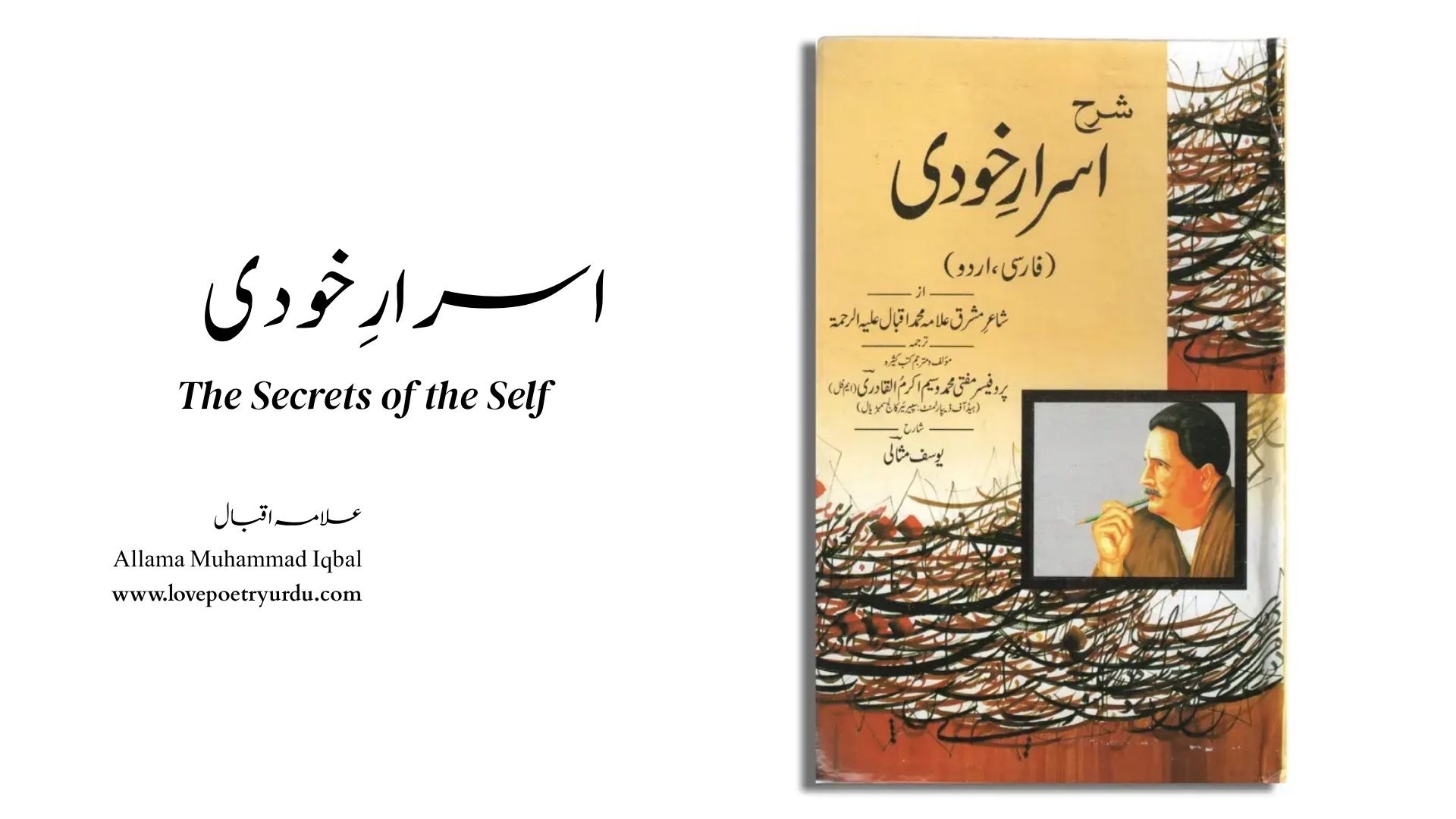
Asrar-e-Khudi اسرارِ خودی
The Secrets of the Self
علامہ محمد اقبال
Allama Muhammad Iqbal
اشاعت: ۱۹۱۵ء — لاہور
Published: 1915 — Lahore
خلاصہ — اَسرارِ خودی
اسرارِ خودی علامہ اقبال کی پہلی اور اہم ترین فارسی مثنوی ہے جو ۱۹۱۵ء میں لاہور سے شائع ہوئی۔ یہ کتاب اقبال کے باقاعدہ فلسفیانہ نظام کی بنیاد ہے اور اس میں انہوں نے اپنے مشہورِ زمانہ فلسفہٴ “خودی” کو پہلی بار تفصیل سے متعارف کروایا۔
“اسرارِ خودی” کا لفظی مطلب ہے “خود کے راز” — یعنی وہ پوشیدہ حقائق جن کو جان کر ایک انسان اپنی حقیقت اور کائنات میں اپنے مقام کو پہچان سکتا ہے۔ یہ کتاب ایک فکری منشور ہے جو فرد کو کمزوری سے نکال کر قوت کی طرف لے جاتا ہے۔
خودی کا مفہوم — مرکزِ کائنات
اقبال کے نزدیک خودی سے مراد وہ قوتِ ارادی اور احساسِ نفس ہے جو کائنات کی ہر شے کے اندر موجود ہے۔ وہ بتاتے ہیں کہ کائنات کا سارا نظام خودی کے ظہور سے قائم ہے۔ اگر انسان اپنی خودی کو بیدار اور مضبوط کر لے، تو وہ کائنات کی ہر قوت کو مسخر (فتح) کرنے کی طاقت رکھتا ہے۔
تعمیرِ شخصیت کے تین مراحل
اس کتاب میں اقبال نے خودی کی تربیت اور انسانی شخصیت کی بلندی کے لیے تین مراحل بیان کیے ہیں:
۱۔ اطاعت: یعنی قانون اور ضابطے کی پابندی کرنا۔
۲۔ ضبطِ نفس: یعنی اپنے نفس اور خواہشات پر قابو پانا۔
۳۔ نیابتِ الہٰی: وہ بلند ترین مقام جہاں انسان اللہ کا نائب بن کر کائنات میں اس کے احکامات جاری کرتا ہے۔
شاہین اور ہیرے کی علامتیں
اقبال نے اس مثنوی میں ہیرے اور کوئلے کی مثال دی ہے کہ دونوں کی اصل ایک ہے، لیکن ہیرا اپنی سختی کی وجہ سے قیمتی ہے جبکہ کوئلہ اپنی نرمی کی وجہ سے جل کر راکھ ہو جاتا ہے۔ وہ پیغام دیتے ہیں کہ انسان کو کوئلے کی طرح نرم نہیں بلکہ ہیرے کی طرح سخت اور مضبوط ہونا چاہیے تاکہ وہ حالات کا مقابلہ کر سکے۔
اسرارِ خودی کا مرکزی پیغام
اس مجموعے کا مرکزی پیغام یہ ہے کہ انسانی زندگی کا مقصد آرام نہیں بلکہ مسلسل جدوجہد اور اپنی ذات کی پہچان ہے۔ اقبال نے ان نظریات کی تردید کی جو انسان کو دنیا سے کٹ کر زندگی گزارنے کی تعلیم دیتے تھے۔ انہوں نے ثابت کیا کہ ایک مضبوط “خودی” ہی وہ واحد راستہ ہے جس سے کوئی قوم اپنی کھوئی ہوئی عظمت دوبارہ حاصل کر سکتی ہے۔
یہ کتاب محض شاعری نہیں بلکہ ایک روحانی اور فکری انقلاب ہے — جو انسان کو غلامی کی زنجیریں توڑ کر اپنی تقدیر خود لکھنے کا حوصلہ عطا کرتی ہے۔
Asrar-e-Khudi: Secrets of the Self
Asrar-e-Khudi (Secrets of the Self) is the first major philosophical work of Allama Iqbal, published in 1915 in Lahore in the Persian language. This book marks the beginning of Iqbal’s mature philosophical system and introduces one of the most influential concepts in modern Islamic thought: Khudi (the Self).
Unlike traditional poetry that focuses on emotions or storytelling, this work is a philosophical manifesto in poetic form. Iqbal wrote it during a period when Muslims of the Indian subcontinent were facing intellectual decline, political weakness, and an identity crisis under British colonial rule.
The central purpose of this book is not entertainment—it is awakening, transformation, and reconstruction of human personality.
Historical and Literary Background
To understand Asrar-e-Khudi, one must understand the crisis of the early 20th-century Muslim world. Muslims in India were politically subjugated and intellectually dependent on Western thought. Many had lost confidence in their cultural and spiritual identity.
Iqbal observed that this decline was not only external but internal. He believed the real problem was the weakness of selfhood (Khudi).
During his academic journey in Europe (1905–1908), Iqbal studied Western philosophy deeply. Thinkers like Nietzsche influenced his idea of strong personality, while Bergson influenced his concept of creativity and life-force. However, Iqbal rejected Western materialism and atheistic interpretations of existence.
Instead, he developed a unique synthesis:
Islamic spirituality + dynamic human action + self-realization philosophy
Thus, Asrar-e-Khudi became his first structured attempt to rebuild human identity.
Core Philosophical Concepts: The Architecture of the Self
To understand Asrar-e-Khudi, one must explore the three stages of spiritual education Iqbal outlines for the human soul:
1. Obedience (Ita’at)
The first step to mastering the self is mastering the Law. Just as a planet must follow its orbit to exist, a human must follow moral and divine laws to gain strength. You cannot lead others until you can lead yourself through discipline.
2. Self-Control ( ضبطِ نفس – Zabt-e-Nafs)
Once an individual learns the law, they must master their desires. Iqbal argues that the “Self” is like a wild horse; if you do not control it, it will lead you to destruction. Self-control is the highest form of liberty.
3. Divine Vicegerency (Niyabat-e-Ilahi)
This is the final stage where the individual becomes the “Perfect Man” (Mard-e-Momin). At this stage, the person’s will is so strong and aligned with God’s will that they become the architect of history.
Detailed Summary of Asrar-e-Khudi
The book presents a powerful argument: human beings are not weak or fixed in destiny; they are capable of self-creation through action and discipline.
Iqbal begins by explaining that the purpose of life is not comfort but continuous struggle and self-development. The self is not a static entity; it grows through experience, resistance, and willpower.
He argues that Khudi develops through:
- Faith in God
- Action and struggle (Amal)
- Self-discipline
- Independence from imitation
- Courage and self-respect
A central idea is that man is responsible for shaping his destiny. Iqbal rejects fatalism and passive acceptance of life. Instead, he promotes an active worldview where human effort becomes the driving force of destiny.
He also emphasizes that strengthening the self does not lead to arrogance. Instead, it leads to spiritual elevation and closeness to God, because a strong self realizes its divine responsibility.
Ultimately, the book is a roadmap for transforming an individual from weakness to greatness.
Poetic Style
The poetic style of Asrar-e-Khudi is deliberate and powerful. Unlike his earlier Urdu works, Iqbal chose Persian for this masterpiece to reach a wider intellectual audience. He adopted the Mathnawi form (rhyming couplets), specifically mirroring the style of the great Sufi poet Rumi. This choice was strategic: he used a traditional, respected format to deliver a revolutionary message of action.
- Tone: The tone is authoritative and commanding. Iqbal speaks like a visionary leader or a mentor, using strong, direct language intended to shake the reader out of spiritual laziness.
- Symbolism: Iqbal uses a “Hard vs. Soft” symbolic system. He contrasts the Diamond (which represents a hardened, strong character) with Coal (which is soft and easily burned). He urges the soul to become an Ocean with its own storms rather than a Dewdrop that evaporates in the sun. Other symbols include the Lion (courage) versus the Sheep (blind following).
Selected Ash‘ar with Analysis
Shair=1
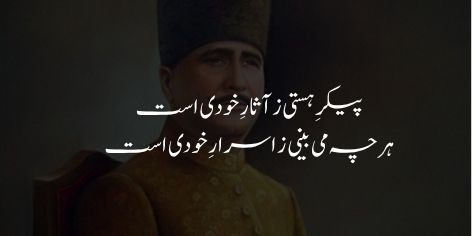
پیکرِ ہستی ز آثارِ خودی است
ہر چہ می بینی ز اسرارِ خودی است
(Paikar-e-hasti ze aasaar-e-Khudi ast
Har che mi beeni ze asraar-e-Khudi ast)
Analysis: Iqbal opens by stating that the entire universe is a manifestation of the “Self.” Everything you see—the stars, the earth, the mountains—exists because the “Self” wanted to express itself.
Shair=2
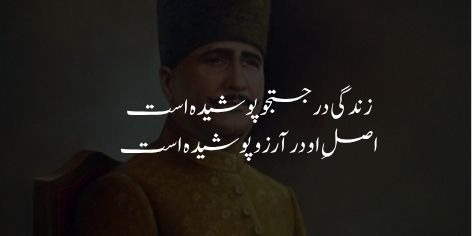
زندگی در جستجو پوشیدہ است
اصلِ او در آرزو پوشیدہ است
(Zindagi dar justuju posheeda ast
Asl-e-oo dar aarzu posheeda ast)
Analysis: Life is defined by “seeking.” Iqbal argues that the root of life is Aarzu (Desire/Longing). Without a great goal or burning desire, the soul becomes stagnant and dies.
Shair=3
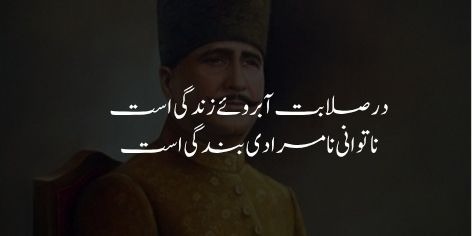
در صلابت آبروئے زندگی است
ناتوانی نا مرادی بندگی است
(Dar salabat aabru-e-zindagi ast
Natawani na-muradi bandagi ast)
Analysis: Both diamond and coal come from the same source, but the diamond is valued because it is hard. Iqbal uses this to show that life’s honor is found in “firmness” and strength, while weakness leads to misery and slavery.
Shair=4
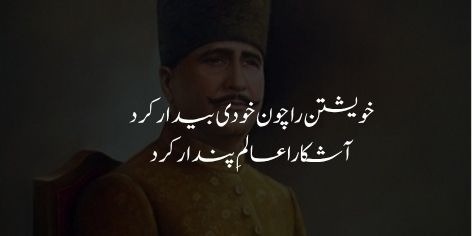
خویشتن را چون خودی بیدار کرد
آشکارا عالمِ پندار کرد
(Khishtan ra choon Khudi bidaar kard
Aashkara aalam-e-pindaar kard)
Analysis: When the “Self” wakes up, it creates its own world. Iqbal believes that a person with a strong Khudi does not just live in the world; they change it to fit their vision.
Shair=5
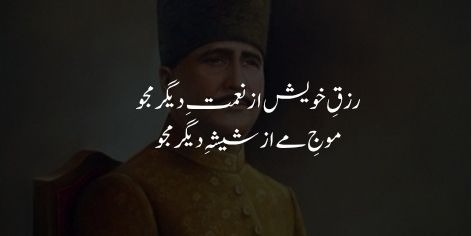
رزقِ خویش از نعمتِ دیگر مجو
موجِ مے از شیشہِ دیگر مجو
Rizq-e-khuish az ni’mat-e-deegar majoo
Mauj-e-may az sheesha-e-deegar majoo
Analysis: Iqbal uses the metaphor of wine and the glass. He warns that you should not seek your sustenance (physical or spiritual) from the table of another. If you want to experience the “wave of wine” (inspiration/energy), it must come from your own bottle. Relying on others’ ideas or resources weakens your inner Khudi.
Shair=6
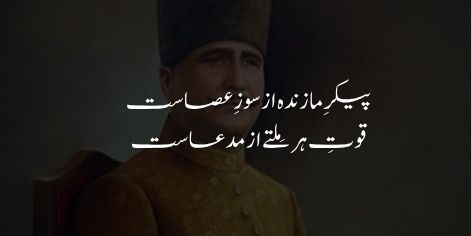
پیکرِ ما زندہ از سوزِ عصاست
قوتِ ہر مِلتے از مدعاست
Roman Urdu:
Paikar-e-ma zinda az soz-e-asa’st
Quwwat-e-har millate az mudda’st
Analysis: Iqbal argues that a human body or a nation is only truly “alive” when it is driven by a burning purpose or a “stick” (soz-e-asa) that keeps it moving. He concludes that the strength of any nation (Millat) is directly tied to its Mudda (Goal/Purpose). Without a clear, grand objective, a society becomes stagnant and decays.
نتیجہ (Conclusion)
اسرارِ خودی جدید دور کا ایک انقلابی منشور ہے۔ یہ کتاب ہمیں یہ سبق دیتی ہے کہ ہمارے مسائل کا حل بیرونی دنیا میں نہیں، بلکہ ہماری اپنی ذات کے اندر پوشیدہ ہے۔ اس حقیقت کو تسلیم کر کے کہ ہم کوئی معمولی وجود نہیں بلکہ ایک طاقتور “خودی” کے مالک ہیں، ہم تاریخ کے پیچھے چلنے والوں کے بجائے تاریخ رقم کرنے والے بن سکتے ہیں۔ یہ کتاب علامہ اقبال کا ان تمام لوگوں کے لیے ایک بیش قیمت تحفہ ہے جو خود اعتمادی اور ہمت کے ساتھ اپنی پہچان بنانا چاہتے ہیں۔
Roman Urdu: Natija
Asrar-e-Khudi jadeed dour ka ek inqalabi manshoor hai. Yeh kitab humein yeh sabaq deti hai ke hamare masail ka hal bairooni dunya mein nahi, balkay hamari apni zaat ke andar posheeda hai. Is haqiqat ko tasleem kar ke hum koi mamooli wajood nahi balkay ek taqatwar “Khudi” ke malik hain, hum tareekh ke peeche chalne walon ke bajaye tareekh raqam karne wale ban sakte hain. Yeh kitab Allama Iqbal ka in tamam logon ke liye ek besh-qeemat tohfa hai jo khud-eitemadi aur himmat ke sath apni pehchan banana chahte hain.
English: Conclusion
Asrar-e-Khudi is a manifesto for the modern era. It teaches us that the solution to our problems is not outside of us, but within. By recognizing that we are not “nothing,” but a powerful “Self,” we can transform from being followers of history into the makers of it. It remains Iqbal’s most important gift to anyone seeking the courage to be themselves and the strength to realize their true potential.