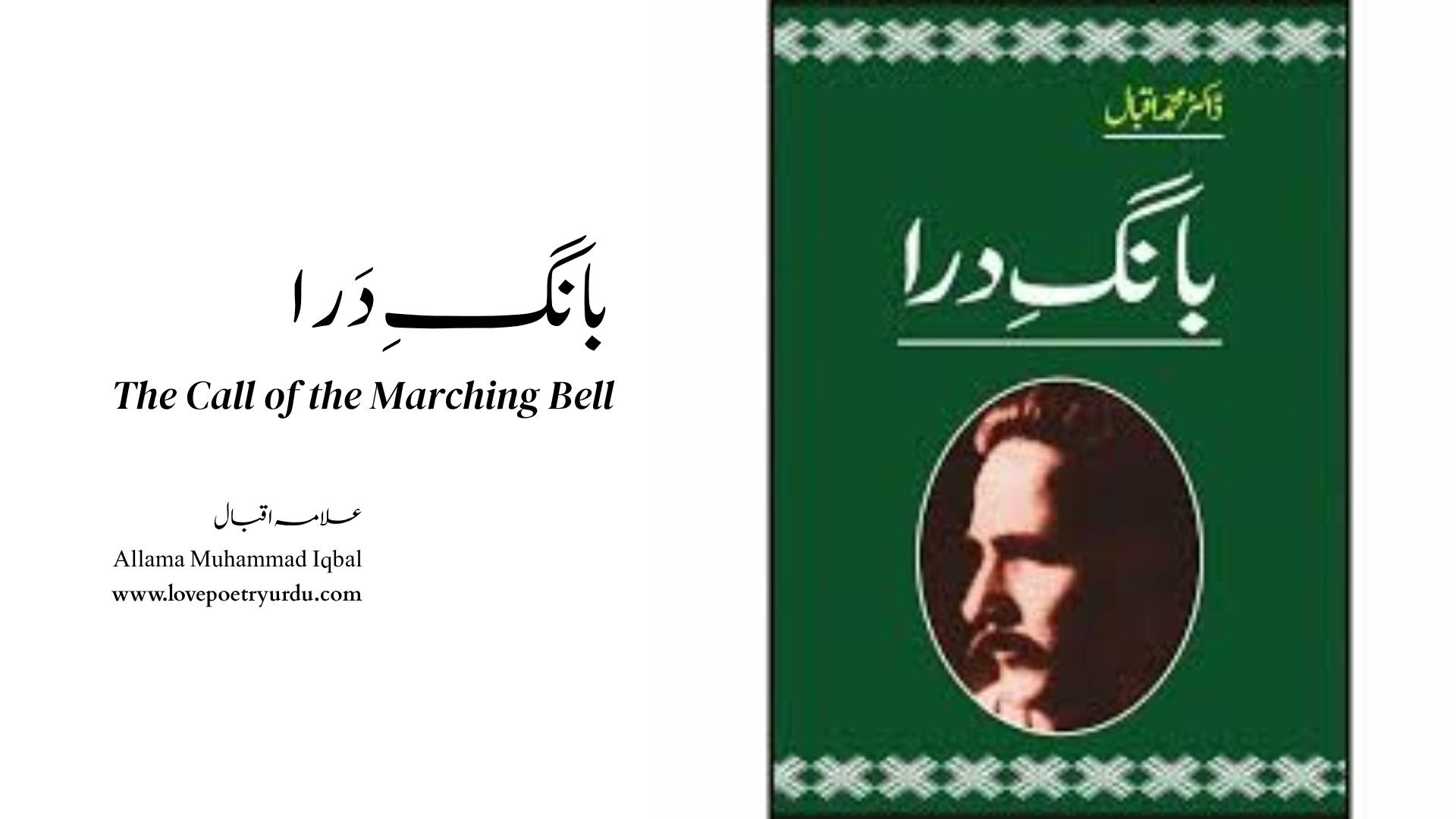
Bang-e-Dra بانگِ دَرا
The Call of the Marching Bell
علامہ اقبال
Allama Muhammad Iqbal
اشاعت: ۱۹۲۴ء — لاہور
Published: 1924 — Lahore
خلاصہ — بانگِ دَرا
بانگِ درا علامہ اقبال کی اردو شاعری کا وہ پہلا معتبر ستون ہے جس نے ۱۹۲۴ء میں منظرِ عام پر آکر اردو ادب اور برصغیر کی سیاست میں ایک نیا جوش پیدا کیا۔ یہ مجموعہ محض کلام کا ذخیرہ نہیں، بلکہ ایک مفکر کے بیس سالہ ذہنی سفر کا وہ نچوڑ ہے جس میں جذبات کی سادگی سے شروع ہونے والا راستہ فلسفیانہ گہرائی پر ختم ہوتا ہے۔
“بانگِ درا” سے مراد اس “گھنٹی کی صدا” ہے جو صحراؤں میں سفر کرنے والے قافلے کو کوچ کا اشارہ دیتی ہے۔ یہ نام اس بات کی علامت ہے کہ اقبال اپنی قوم کو جمود سے نکال کر حرکت اور منزل کی تڑپ عطا کرنا چاہتے تھے۔
پہلا پڑاؤ — وطن کی محبت اور مناظرِ فطرت
اقبال کے کلام کا آغاز فطرت نگاری اور وطنیت کے رنگ سے ہوتا ہے۔ اس دور میں وہ کوہِ ہمالہ کی عظمت، پرندوں کی فریاد اور ہندستان کی مٹی کی خوشبو کو موضوع بناتے ہیں۔ “ترانہ ہندی” اسی دور کی یادگار ہے جہاں وہ فرقہ وارانہ ہم آہنگی اور زمین سے جڑی محبت کا پرچار کرتے ہوئے نظر آتے ہیں۔
دوسرا پڑاؤ — مغرب کا مشاہدہ اور فکری تبدیلی
یورپ میں قیام کے دوران اقبال کی فکر میں ایک بڑا انقلاب آیا۔ انہوں نے مغربی معاشرے کی ظاہری چمک دمک اور اس کے پیچھے چھپی ہوئی مادہ پرستی اور اخلاقی پستی کو بھانپ لیا۔ یہاں ان کا نظریہ محدود وطن پرستی سے نکل کر ایک آفاقی اور انسانی نظریے میں تبدیل ہو گیا، جہاں انہوں نے محسوس کیا کہ انسانیت کی بقا صرف روحانی اقدار کی بحالی میں ہے۔
تیسرا پڑاؤ — خودی کی بیداری اور شاہین کا تصور
وطن واپسی کے بعد اقبال کا کلام ایک نئی توانائی کے ساتھ سامنے آیا۔ اب وہ صرف ایک شاعر نہیں بلکہ ایک مصلح تھے۔ انہوں نے “خودی” کا درس دیا، جس کا مقصد انسان کو اس کی چھپی ہوئی الہٰی طاقتوں سے آگاہ کرنا تھا۔ انہوں نے “شاہین” کو اپنا مثالی کردار بنایا—ایک ایسا کردار جو دوسروں کے رزق پر نہیں پلتا، بلند پرواز ہے اور اپنی دنیا آپ پیدا کرتا ہے۔
بانگِ درا کا لبِ لباب
اس پورے مجموعے کا جوہر یہ ہے کہ غلامی کا سب سے بڑا سبب ذہنی پسماندگی اور لاپرواہی ہے۔ اقبال اپنی نظموں “شکوہ”، “جوابِ شکوہ” اور “شمع و شاعر” کے ذریعے یہ بتاتے ہیں کہ جب انسان اپنا ناطہ خدا اور اپنی تاریخ سے جوڑ لیتا ہے، تو وہ کائنات کی ہر طاقت کو مسخر کر سکتا ہے۔
یہ مجموعہ ایک ایسی آواز ہے جو تھکے ہوئے مسافروں میں نئی روح پھونکتی ہے اور انہیں ستاروں سے آگے نئے جہانوں کی تلاش پر اکساتی ہے۔ یہ آج بھی ہر دور کے نوجوان کے لیے مشعلِ راہ ہے۔
Bang-e-Dra: The Call of the Marching Bell
Bang-e-Dra (The Call of the Marching Bell) is one of the most important Urdu poetry collections of Allama Iqbal. It was published in 1924 in Lahore, after spanning nearly two decades of poetic development. The collection includes poems written from Iqbal’s early youth to his mature philosophical phase, making it a literary record of his intellectual and emotional evolution.
This book is not just a collection of poems; it is a journey of awakening, where Iqbal gradually transforms from a romantic nationalist poet into a philosopher of Islamic revival and self-realization. The title itself, “Bang-e-Dra,” symbolizes a wake-up call, like a bell that awakens a sleeping caravan to resume its journey.
Historical and Literary Background
The poems in Bang-e-Dra were written during a time when the Indian subcontinent was under British colonial rule. Muslims, in particular, were experiencing political decline, loss of identity, and cultural confusion. The intellectual environment was influenced by Western education, but many traditional values were weakening.
Iqbal initially began as a poet of nature, nationalism, and emotional expression. However, over time, his poetry evolved into a philosophical and reformist voice. To understand the book, we must look at the three distinct periods it represents.
1. The Phase of Patriotic Romanticism (Pre-1905)
In his early years, Iqbal was deeply influenced by the beauty of the Indian landscape and the idea of a unified homeland. During this time, he wrote with a heart full of love for the soil of India. His poetry was lyrical and focused on communal harmony.
- Key Themes: Nature, Indian Nationalism, and Universal Brotherhood.
- Notable Poems: Himala (The Himalayas) and Tarana-e-Hindi.
2. The European Catalyst (1905–1908)
When Iqbal traveled to England and Germany for higher studies, his perspective shifted. He saw the cold logic of the West and the dangers of aggressive territorial nationalism. He realized that a civilization built solely on material wealth, without a spiritual anchor, was destined to fail.
- Key Themes: Critique of Western Materialism and the search for a higher spiritual identity.
3. The Visionary Awakening (Post-1908)
Upon returning to India, Iqbal moved beyond localized politics. He began to advocate for a global spiritual revolution. He introduced the concept of Khudi (The Self) and called for the youth to become visionaries.
- Key Themes: Pan-Islamism, the concept of the Shaheen (Falcon), and the philosophy of Ishq (Love).
Detailed Summary of Bang-e-Dra
Bang-e-Dra is a diverse collection of poems that reflect different stages of Iqbal’s thought. The early poems focus on themes like nature, patriotism, and emotional attachment to homeland. These poems are simple, lyrical, and expressive.
As the collection progresses, Iqbal begins to address deeper issues such as social decline, intellectual weakness, and loss of moral direction. He becomes increasingly concerned about the condition of Muslims and begins to call for awakening and self-respect.
In the later poems, Iqbal’s philosophy becomes more structured and powerful. He introduces ideas of Khudi (selfhood), courage, and collective revival. He urges Muslims to rediscover their strength, abandon imitation, and rebuild their identity based on knowledge, faith, and action.
The overall message of Bang-e-Dra is a gradual awakening from emotional awareness to intellectual and spiritual consciousness.
Core Philosophical Concepts
To write effectively about Bang-e-Dra, one must understand the “Big Three” ideas Iqbal weaves into his verses:
- Khudi (The Self): The belief that every individual has a spark of the divine. Life’s purpose is to strengthen this spark through struggle and action until the individual becomes the master of their own destiny.
- The Shaheen (The Falcon): Iqbal’s favorite symbol. Unlike the vulture that eats the dead, the Falcon flies high, lives in the mountains, and relies only on its own strength.
- Ishq (Divine Love): For Iqbal, Ishq is not a romantic feeling but a passionate, creative force that drives humans to achieve the impossible, far surpassing the limits of cold logic (Aql).
Poetic Style
The poetic style of Bang-e-Dra is highly diverse due to its long composition period.
- Early poems are romantic, simple, and nature-inspired
- Middle poems are reflective and socially conscious
- Later poems are philosophical, powerful, and motivational
Iqbal uses metaphors, symbolism, and emotional intensity. One of the strongest symbols is the eagle (shaheen), representing independence, vision, and strength.
The tone shifts from softness to command, reflecting his intellectual evolution.
Selected Ash‘ar with Analysis
Shair=1
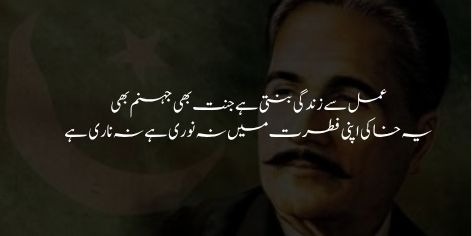
عمل سے زندگی بنتی ہے جنت بھی جہنم بھی
یہ خاکی اپنی فطرت میں نہ نوری ہے نہ ناری ہے
(Amal se zindagi banti hai jannat bhi jahannam bhi
Yeh khaki apni fitrat mein na noori hai na nari hai)
Analysis: Iqbal argues that we are not born “saints” or “sinners.” We are creatures of clay, and it is only our Amal (Action) that determines whether our lives become a paradise or a hell.
Shair=2
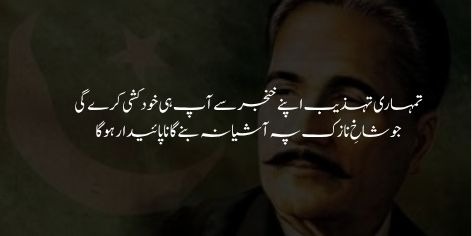
تمہاری تہذیب اپنے خنجر سے آپ ہی خودکشی کرے گی
جو شاخِ نازک پہ آشیانہ بنے گا ناپائیدار ہوگا
(Tumhari tehzeeb apne khanjar se aap hi khud-kushi kare gi
Jo shakh-e-nazuk pe ashiyana bane ga na-payaidar ho ga)
Analysis: A prophetic warning to the materialistic world. Iqbal predicts that a society without a moral foundation is like a nest on a fragile branch—it is destined to collapse.
Shair=3
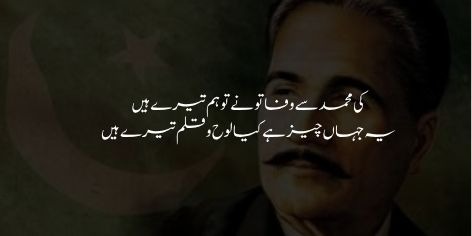
کی محمد سے وفا تو نے تو ہم تیرے ہیں
یہ جہاں چیز ہے کیا لوح و قلم تیرے ہیں
(Ki Muhammad se wafa tu ne to hum tere hain
Yeh jahan cheez hai kya lauh-o-qalam tere hain)
Analysis: In Jawab-e-Shikwa, Iqbal emphasizes that loyalty to the spiritual values of the Prophet (PBUH) is the only path to regaining lost glory and power over the world.
Shair=4
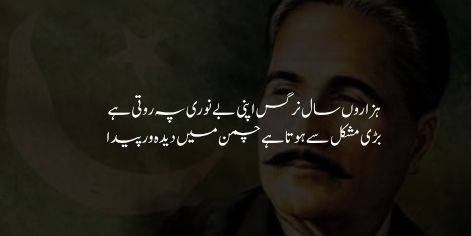
ہزاروں سال نرگس اپنی بے نوری پہ روتی ہے
بڑی مشکل سے ہوتا ہے چمن میں دیدہ ور پیدا
(Hazaron saal nargis apni be-noori pe roti hai
Bari mushkil se hota hai chaman mein deeda-war paida)
Analysis: This verse pays tribute to the visionary leader. It reminds us that true “seers” who can guide a nation are extremely rare and should be valued above all else.
Shair=5
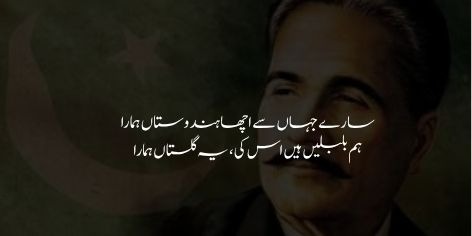
سارے جہاں سے اچھا ہندوستاں ہمارا
ہم بلبلیں ہیں اس کی، یہ گلستاں ہمارا
Sarey jahan se achha Hindostan hamara
Hum bulbulain hain is ki, yeh gulistan hamara
Analysis: This is one of the most famous patriotic songs in the subcontinent. Iqbal uses the metaphor of the Nightingale (Bulbul) and the Garden (Gulistan) to describe the relationship between the citizens and their country.
Shair=6
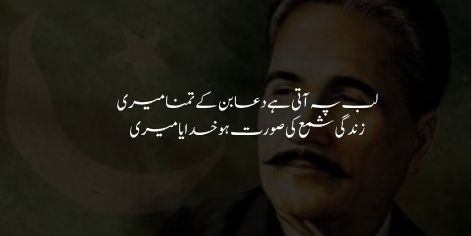
لب پہ آتی ہے دعا بن کے تمنا میری
زندگی شمع کی صورت ہو خدایا میری
Lab pe aati hai dua ban ke tamanna meri
Zindagi shama ki surat ho Khudaya meri
Analysis: In this beautiful couplet, Iqbal uses the Shama (Candle) as a symbol of sacrifice and enlightenment. A candle burns itself to provide light to others. The “child” in the poem is asking God for a life defined by service to humanity
Shair=7
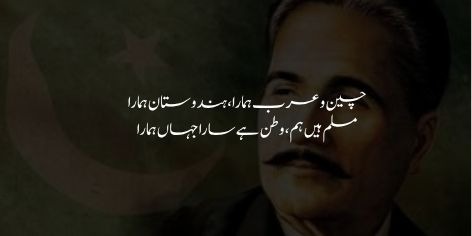
چین و عرب ہمارا، ہندوستان ہمارا
مسلم ہیں ہم، وطن ہے سارا جہاں ہمارا
Cheen-o-Arab hamara, Hindostan hamara
Muslim hain hum, watan hai sara jahan hamara
Analysis: This verse represents a massive shift in Iqbal’s thinking. After his travels to Europe, he moved from “Territorial Nationalism” to “Universal Humanism.” He argues that for a Muslim (or a person of faith), the spirit is not bound by man-made borders.
نتیجہ (Conclusion)
بانگِ درا محض ایک شعری مجموعہ نہیں بلکہ ایک قوم کی جذباتی وابستگی سے لے کر فکری پختگی تک کا سفرنامہ ہے۔ علامہ اقبال نے اس کتاب کے ذریعے سوئے ہوئے قافلے کو بیداری کا وہ پیغام دیا جو آج بھی اتنا ہی اہم ہے جتنا ایک صدی قبل تھا۔ اس کا بنیادی پیغام یہ ہے کہ جب تک انسان اپنی خودی کو نہیں پہچانتا اور عملِ پیہم کو اپنا شعار نہیں بناتا، وہ نہ تو اپنی تقدیر بدل سکتا ہے اور نہ ہی دنیا میں عزت حاصل کر سکتا ہے۔ یہ کتاب ہمیں سکھاتی ہے کہ حقیقی انقلاب باہر سے نہیں بلکہ انسان کے اپنے اندر سے پیدا ہوتا ہے۔
Roman Urdu: Natija
Bang-e-Dra mahz ek sha’iri majmua nahi balkay ek qoum ki jazbati wabastagi se le kar fikri pukhtagi tak ka safarnama hai. Allama Iqbal ne is kitab ke zariye soye hue qaafle ko bedari ka woh paigham diya jo aaj bhi utna hi aham hai jitna ek sadi qabal tha. Is ka bunyadi paigham yeh hai ke jab tak insan apni Khudi ko nahi pehchanta aur amal-e-paiham ko apna shuaar nahi banata, woh na to apni taqdeer badal sakta hai aur na hi dunya mein izzat hasil kar sakta hai. Yeh kitab humein sikhati hai ke haqiqi inqilab bahar se nahi balkay insan ke apne andar se paida hota hai.
English: Conclusion
Bang-e-Dra is not merely a poetic collection; it is a roadmap tracing a nation’s journey from emotional awareness to intellectual maturity. Through this book, Allama Iqbal delivered a wake-up call to a slumbering caravan that remains as relevant today as it was a century ago. Its core message is that until an individual recognizes their “Self” (Khudi) and adopts continuous action as their way of life, they can neither change their destiny nor achieve honor in the world. This book teaches us that a true revolution does not begin from the outside, but from within the human soul.