(Bal-e-Jibril-128) Tariq Ki Dua (طارق کی دُعا)
Tariq Ki Dua
(Andalus Ke Maidan-e-Jang Mein)
TARIQ’S PRAYER
(In the Battlefield of Andalusia)
Ye Ghazi, Ye Tere Purisrar Bande
Jinhain Tu Ne Bakhsha Hai Zuaq-e-Khudai
یہ غَازی، یہ تِرے پُراَسرار بَندے
جِنھیں تُو نے بَخشا ہے ذَوقِ خُودائی
These warriors, victorious, These worshippers of Yours,
Whom You have granted the will to win power in Your name;
Do-Neem In Ki Thoukar Se Sehra-o-Darya
Simat Kar Pahar In Ki Haibat Se Rayi
دُو نِیم اِن کی ٹھوکر سے صَحرا و دَریا
سِمَٹ کر پَہَار اِن کی ہَیبَت سے رَئی
Who cleave rivers and woods in twain,
Whose terror turns mountains into dust;
Do Alam Se Karti Hai Baigana Dil Ko
Ajab Cheez Hai Lazzat-e-Ashnayi
دُو عالَم سے کرتی ہے بے گانہ دِل کو
عَجَب چِیز ہے لَذَّتِ آشنائی
They care not for the world;
They care not for its pleasures;
Shahadat Hai Matloob-o-Maqsood-e-Momin
Na Maal-e-Ghanimat Na Kishwar Kushayi
شَہادَت ہے مَطلُوب و مَقصُودِ مُومِن
نہ مَالِ غَنِیمَت نَہ کِشوَر کُشائی
In their passion, in their zeal, in their love for Thee, O Lord,
They aim at martyrdom, not the rule of the earth.
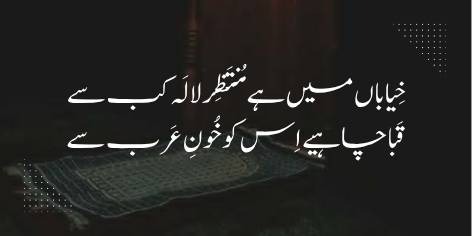
Khayaban Mein Hai Muntazir Lala Kab Se
Qaba Chahye Iss Ko Khoon-e-Arab Se
خِیاباں میں ہے مُنتَظِر لالَہ کب سے
قَبا چاہیے اِس کو خُونِ عَرب سے
In the flower-bed, Rose has been waiting for a long time
The Color of Arabs’ blood
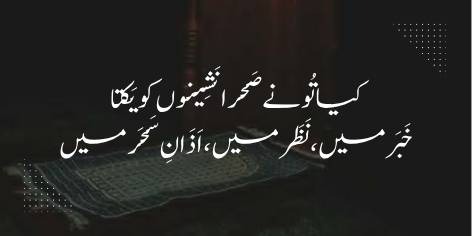
Kiya Tu Ne Sehra Nasheenon Ko Yakta
Khabar Mein, Nazar Mein, Azan-e-Sehar Mein
کیا تُو نے صَحرا نَشِینوں کو یَکتا
خَبَر میں، نَظَر میں، اَذَانِ سَحَر میں
You have united warring tribes,
In thought, in deed, in prayer.
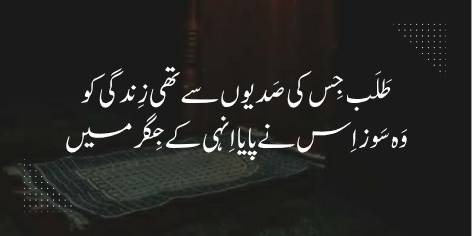
Talab Jis Ki Sadiyon Se Thi Zindagi Ko
Woh Souz Iss Ne Paya Inhi Ke Jigar Mein
طَلَب جِس کی صَدیوں سے تھی زِندگی کو
وَہ سَوز اِس نے پایا اِنہی کے جِگر میں
The burning fire that life had sought for centuries,
Was found in them at last.
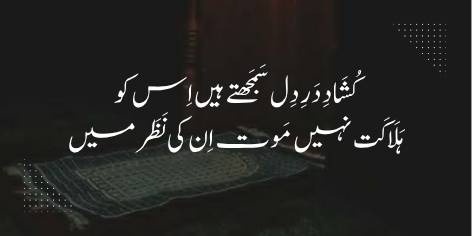
Kushad-e-Dar-e-Dil Samajhte Hain Iss Ko
Halakat Nahin Mout In Ki Nazar Mein
کُشَادِ دَرِ دِل سَمَجھتے ہیں اِس کو
ہَلَاکَت نہیں مَوت اِن کی نَظَر میں
They think of death, not as life’s end,
But as the ennobling of the heart.
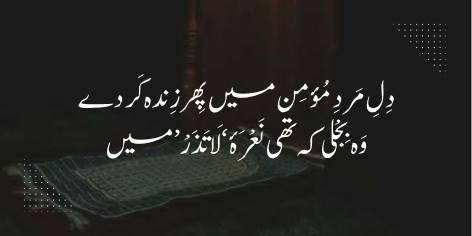
Dil-e-Mard-e-Momin Mein Phir Zinda Kar De
Woh Bijli Ke Thi Na’ara-e-‘LA TAZAR’ Mein
دِلِ مَردِ مُؤمِن میں پِھر زِندہ کَر دے
وَہ بِجْلی کہ تھی نَعْرَۂ ‘لَا تَذَرْ’ میں
Make alive in the heart of a Muslim again
That Power, the slogan ‘My Lord! Leave not one of the disbelievers’ had.
La-Tazar (Verse 26 of Surah Nuh- No. 71 – Quran)
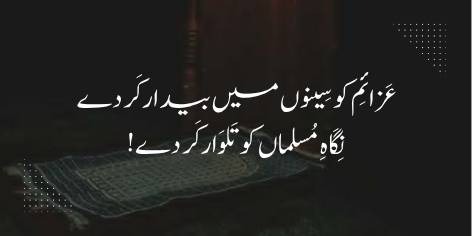
Aza’im Ko Seenon Mein Baidar-e-Kar De
Nigah-e-Musalman Ko Talwar Kar De!
عَزائِم کو سِینوں میں بیدار کَر دے
نِگَاہِ مُسلماں کو تَلوَار کَر دے!
Awaken in them an iron will,
And make their eye a sharpened sword.
Full Explanation in Urdu and Roman Urdu
Urdu
یہ شعر علامہ اقبالؒ کی مشہور نظم “فرمانِ خدا (فرشتوں سے)” کا ہے، جس میں خدا کی طرف سے مردِ مومن (غازی) کی شان بیان کی گئی ہے۔ اللہ تعالیٰ فرشتوں سے خطاب کرتے ہوئے فرماتے ہیں کہ “یہ جو غازی ہیں، یہ تیرے پراسرار اور بھید بھرے بندے ہیں”؛ یہ پراسراریت ان کے باطنی جوش، غیر معمولی ہمت اور پوشیدہ قوتوں کی وجہ سے ہے جو عام انسانوں میں نہیں پائی جاتی۔
مزید یہ کہ “تُو نے ہی انہیں خودی کے ذوق اور اس کی پہچان سے نوازا ہے” (ذَوقِ خُودائی)، جس سے مراد صرف غازی کا اللہ پر کامل توکل، خودداری، غیرت اور اللہ کی نیابت کا احساس ہے، نہ کہ خدائی کا دعویٰ۔ اس شعر میں غازی کو (جو دین کے لیے جہاد کرتا ہے) ایک خاص طبقہ قرار دیا گیا ہے، جسے خدا کی طرف سے خصوصی روحانی قوت اور بے مثال جوش حاصل ہوتا ہے، اور یہی وہ جوش ہے جو انہیں دنیاوی مشکلات اور موت کے خوف سے بے نیاز کر دیتا ہے۔
Roman Urdu
This couplet is from Allama Iqbal’s famous poem “Farmaan-e-Khuda (Angels’ Command),” where God Almighty describes the grandeur of the true believer (Ghazi) to the angels. God states, “These Ghazis are Your mysterious and enigmatic servants,” a mystery stemming from their inner passion, extraordinary courage, and hidden strength that is absent in ordinary people. Furthermore, “You alone have blessed them with the spirit and realization of the Self (Zauq-e-Khudai),” which refers to the Ghazi’s complete reliance on God, self-respect, honor, and the sense of being God’s vicegerent (Naib-e-Haq), not a claim to divinity.
The verse elevates the Ghazi (one who strives for the faith) as a special class endowed by God with unique spiritual power and unparalleled zeal, a fervor that makes them indifferent to worldly hardships and the fear of death.
Urdu
یہ شعر علامہ اقبالؒ کی نظم “فرمانِ خدا (فرشتوں سے)” کا ہے، جس میں مردِ مومن (غازی) کی شانِ عمل اور قوتِ ارادی کو بیان کیا گیا ہے۔ اللہ تعالیٰ اپنے ان خاص بندوں کی طاقت کا ذکر کرتے ہوئے فرماتے ہیں کہ “صحرا اور دریا بھی ان کے پُرعزم قدموں کی ٹھوکر سے دو ٹکڑے (دو نیم) ہو جاتے ہیں”؛ یعنی ان کی قوتِ عمل اور پختہ ارادہ اس قدر شدید ہے کہ فطرت کی بڑی رکاوٹیں بھی ان کے سامنے ٹک نہیں پاتیں۔
مزید یہ کہ “پہاڑ بھی ان کی ہیبت اور رُعب سے سمٹ کر یا ریزہ ریزہ ہو کر ریت (رئی) بن جاتے ہیں”۔ اس شعر کا مقصد یہ ہے کہ حقیقی مومن میں وہ روحانی قوت موجود ہوتی ہے جو اسے مافوق الفطرت کارنامے انجام دینے کے قابل بناتی ہے۔ ان کی “خودی” کی طاقت کے سامنے مادی دنیا کی کوئی بھی رکاوٹ، خواہ وہ کتنی ہی بڑی کیوں نہ ہو، بے حیثیت ہو جاتی ہے۔
Roman Urdu
This couplet, from Allama Iqbal’s poem “Farmaan-e-Khuda (Command of God to the Angels),” illustrates the extraordinary power of action and will possessed by the true believer (Ghazi). God describes the strength of these special servants by saying that “deserts and rivers are split into two (do-neem) by their determined kick (thoukar),” meaning their power of action and firm resolve are so intense that even the great obstacles of nature cannot stand against them.
Furthermore, “mountains contract or are reduced to sand (ra’ii) out of their fear and awe (haibat).” The essence of this verse is that the true Momin is endowed with a spiritual power that enables them to perform superhuman feats. Before the strength of their “Khudi” (Self), no obstruction of the material world, no matter how great, remains significant.
Urdu Text
یہ شعر علامہ اقبالؒ کے عشقِ حقیقی کے مقام اور اس کے حیرت انگیز اثر کو بیان کرتا ہے۔ شاعر کہتا ہے کہ “لذتِ آشنائی” یعنی حقیقی معرفت اور محبوبِ حقیقی (اللہ تعالیٰ) سے تعلق اور لگاؤ کی مٹھاس، ایک عجیب و غریب (عجب) چیز ہے۔ یہ اتنی طاقتور اور گہری ہے کہ یہ دل کو دونوں جہانوں (دنیا اور آخرت، یا ظاہری و باطنی دنیا) سے مکمل طور پر بے گانہ اور بے نیاز کر دیتی ہے۔
مراد یہ ہے کہ جب انسان کو اللہ کی معرفت اور اس کے عشق کا سچا ذوق حاصل ہو جاتا ہے، تو اس کی نگاہ میں دنیاوی اور اخروی لالچیں دونوں بے معنی ہو جاتی ہیں؛ وہ دنیا کی فانی چیزوں سے لاتعلق ہو جاتا ہے اور آخرت کی فکر سے بھی بڑھ کر صرف محبوب کی رضا اور قربت میں کھو جاتا ہے۔ یہی غنائے قلبی (دل کی بے نیازی) عشق کی انتہا ہے۔
Roman Urdu
This couplet from Allama Iqbal beautifully describes the station of true love (Ishq-e-Haqeeqi) and its astonishing effect. The poet says that the “Lazzat-e-Ashnayi”—the sweetness of true realization and connection with the Real Beloved (God Almighty)—is a marvelous (ajab) thing. It possesses such deep and intense power that “it makes the heart completely oblivious (baigaana) to both worlds (Do Alam),” meaning both the world and the afterlife (or the visible and invisible realities).
The point is that once a person achieves the true taste of God’s realization and love, all worldly and even heavenly ambitions become meaningless; they become detached from the fleeting things of the world and are lost solely in the pleasure and closeness of the Beloved, surpassing even the concern for the afterlife. This spiritual contentment (Ghinā-e-Qalbī) signifies the pinnacle of true love.
Urdu
یہ شعر علامہ اقبالؒ کے فلسفۂ جہاد اور مردِ مومن کے حقیقی نصب العین کو واضح طور پر بیان کرتا ہے۔ اقبالؒ فرماتے ہیں کہ حقیقی مومن کا آخری مقصد اور مطلوب صرف اور صرف شہادت (اللہ کی راہ میں جان قربان کرنا) ہے؛ اس کا مقصدِ حیات بھی یہی ہے اور اس کی آرزو بھی یہی ہے۔
مومن کا جہاد کسی مادی غرض کے لیے نہیں ہوتا، لہٰذا اس کی خواہش میں نہ تو مالِ غنیمت (جنگ میں حاصل ہونے والا دنیاوی مال و دولت) شامل ہوتا ہے اور نہ ہی کِشوَر کُشائی (ملک فتح کرنے اور سلطنتیں بنانے) کی ہوس ہوتی ہے۔ اس شعر کا مرکزی پیغام یہ ہے کہ مومن کا عمل خالصتاً روحانی اور نظریاتی ہوتا ہے، جس کا محرک اللہ کی رضا اور حق کی سربلندی کے سوا کچھ نہیں ہوتا، جبکہ دنیاوی فائدے اس کے لیے بے معنی ہیں۔
Roman Urdu
This couplet clearly articulates Allama Iqbal’s philosophy of Jihad and the true objective of the Momin (believer). Iqbal states that the ultimate objective and desire (Matloob-o-Maqsood) of the true Momin is solely Shahadat (martyrdom), sacrificing one’s life in the way of God; this is both their life’s purpose and their greatest ambition.
The Momin’s struggle is not driven by any materialistic gain; hence, their ambition includes neither the desire for Maal-e-Ghanimat (war spoils and worldly wealth) nor the greed for Kishwar Kushayi (conquering countries and building empires). The central message of this verse is that the Momin’s actions are purely spiritual and ideological, motivated by nothing but the pleasure of God and the supremacy of truth, rendering all worldly benefits meaningless to them.
Urdu
یہ شعر علامہ اقبالؒ کے فلسفۂ خودی اور ملتِ اسلامیہ میں جذبۂ تازہ کی ضرورت کو اجاگر کرتا ہے۔ اقبالؒ کہتے ہیں کہ “لالہ کا پھول (جو آزادی، غیرت اور خودداری کی علامت ہے) باغ (خیاباں) میں ایک طویل عرصے سے منتظر ہے”؛ یہ انتظار اس بات کا ہے کہ اسے اپنی حقیقی چمک اور پہچان کب حاصل ہوگی۔ شاعر فرماتے ہیں کہ “اس لالہ کو اپنا لباس (قبا) عرب کے خون سے چاہیے”۔
خونِ عرب یہاں عربوں کی ابتدائی اسلامی تاریخ کے جوش، قربانی، جہاد، غیرت اور سچے ایمانی جذبے کا استعارہ ہے۔ مراد یہ ہے کہ موجودہ دور کے مسلمان کو اگر عظمت، عزت اور شان حاصل کرنی ہے اور اسے اپنی خودی کا مکمل اظہار کرنا ہے، تو اسے مغرب کی تہذیب سے نہیں، بلکہ اسلام کے سنہری دور کے عرب مجاہدوں اور سلف کے خالص ایمانی جوہر اور قربانی کے جذبے کو دوبارہ اپنانا پڑے گا تاکہ اس کا وجود رنگین اور باوقار ہو سکے۔
Roman Urdu
This couplet highlights Allama Iqbal’s philosophy of Khudi (Self) and the urgent need for renewed zeal within the Muslim community. Iqbal states that the Lala flower (a symbol of freedom, honour, and self-reliance) has been waiting for a long time in the garden (Khiyaban), waiting for the moment when it can attain its true brilliance and identity. The poet asserts that “this Lala requires its robe (qaba) to be dyed with the blood of an Arab.
“ The ‘blood of Arabs’ is a metaphor for the fervor, sacrifice, Jihad, honour, and genuine spiritual essence of the early Islamic era Arabs and the Salaf. The essence is that for the contemporary Muslim to achieve glory, dignity, and distinction and fully manifest their Khudi, they must not seek inspiration from Western civilization but must instead adopt the pure essence of faith and the spirit of sacrifice exemplified by the Arab Mujahideen of Islam’s golden age, thereby making their existence vibrant and honourable.
Urdu
یہ شعر علامہ اقبالؒ کی نظم “فرمانِ خدا (فرشتوں سے)” کا ہے، جس میں اللہ تعالیٰ اپنے پراسرار بندوں (صحرا نشینوں) کی بے مثال اور یکتا صفات کی تعریف فرماتے ہیں۔ اللہ تعالیٰ فرشتوں سے خطاب کرتے ہیں کہ “تُو نے ہی صحرا میں بسنے والے ان درویش صفت مجاہدوں کو یکتا (بے مثال اور منفرد) بنا دیا ہے۔ یہ یکتائی تین اہم میدانوں میں ہے: خبر میں (یعنی ان کے علم، معلومات اور حقائق کے ادراک میں)، نظر میں (یعنی ان کے بصیرت، گہرے مشاہدے اور روحانی بصارت میں)، اور اذانِ سحر میں (یعنی ان کی عبادت، ایمان کی پکار، اور صبح کی دعا کے اخلاص اور سوز میں)۔ اس شعر کا مرکزی خیال یہ ہے کہ صحرائی زندگی کی سختیوں سے پرورش پانے والے یہ سادہ مگر سچے مومن، دنیا کے علم، ظاہری مشاہدے اور باطنی تقویٰ ہر لحاظ سے منفرد مقام رکھتے ہیں، اور یہ سب خدا کی خاص عطا ہے۔
Roman Urdu
This couplet, from Allama Iqbal’s poem “Farmaan-e-Khuda (Command of God to the Angels),” describes the unique and matchless qualities of God’s mysterious servants (Sehra Nasheenon). Addressing the angels, God states that “You alone have made these ascetic, struggling dwellers of the desert unique and unparalleled (Yakta).
“ This uniqueness is evident in three crucial aspects: Khàbar Mein (meaning in their knowledge, information, and grasp of realities), Nazar Mein (meaning in their insight, profound observation, and spiritual vision), and Azān-e-Sehar Mein (meaning in the sincerity and passion of their worship, the call of their faith, and their dawn prayers). The central idea is that these simple yet true believers, forged by the hardships of desert life, hold a unique status in terms of worldly knowledge, spiritual sight, and inner devotion, and this is all due to God’s special favour.
Urdu
یہ شعر علامہ اقبالؒ کی نظم “فرمانِ خدا (فرشتوں سے)” کا ہے، جس میں مردِ مومن (غازی/صحرا نشیں) کی اہمیت اور اس کی آفاقی تاثیر کو بیان کیا گیا ہے۔ اللہ تعالیٰ فرماتے ہیں کہ “وہ سوز، وہ حرارت اور وہ درونی تڑپ جو اصل اور باوقار زندگی کو صدیوں سے درکار تھی، وہ زندگی کو انہی غازیوں کے جگر (دل و باطن) میں جا کر حاصل ہو گیا ہے۔
” سوز یہاں ایمان کی تڑپ، خودی کی بیداری، مسلسل عمل، اور جہاد کے غیرت مند جذبے کی علامت ہے۔ مراد یہ ہے کہ حیاتِ انسانی کا مقصد صرف طبعی وجود نہیں، بلکہ روحانی اور عملی قوت ہے، اور یہ غیور جذبہ جو زمانے کو متحرک کر سکتا ہے، کسی فلسفے یا تہذیب میں نہیں بلکہ صرف سچے مومنوں کے دلوں میں پایا جاتا ہے۔ یہی سوز ان صحرا نشینوں کو پوری کائنات کے لیے یگانہ اور مرکزِ امید بنا دیتا ہے۔
Roman Urdu
This couplet, from Allama Iqbal’s poem “Farmaan-e-Khuda (Command of God to the Angels),” describes the universal importance and effect of the Momin (Ghazi/Desert Dweller). God Almighty states that “that fervor (Sōz), that inner heat, and that deep spiritual yearning which authentic and dignified life (Zindagi) has sought for centuries, life finally found it in the hearts (Jigar) of these very Ghazis.” Sōz here symbolizes the fervor of faith, the awakening of the Self (Khudi), continuous action, and the zealous spirit of Jihad.
The essence is that the purpose of human existence is not mere biological being but spiritual and practical power, and this honorable passion capable of revitalizing the world is found not in any philosophy or civilization, but only in the hearts of true believers. This Sōz is what makes these desert dwellers the singular and ultimate source of hope for the entire universe.
Urdu
یہ شعر علامہ اقبالؒ کی نظم “فرمانِ خدا (فرشتوں سے)” کا ہے، جو مردِ مومن (غازی) کے موت اور شہادت کے تصور کو بیان کرتا ہے۔ اللہ تعالیٰ فرماتے ہیں کہ “یہ مومن اور غازی موت کو (ہلاکت یا تباہی کے طور پر نہیں) بلکہ دل کے دروازے کا کُھل جانا (کُشَادِ دَرِ دِل) سمجھتے ہیں۔
” یعنی ان کی نظر میں موت دراصل روحانی ترقی، محدود جسمانی دنیا سے آزادی، اور محبوبِ حقیقی سے ملاقات کا ایک ذریعہ ہے۔ شاعر کا مقصد یہ ہے کہ حقیقی مومن دنیاوی زندگی اور جسمانی وجود کو عارضی قید سمجھتا ہے، اس لیے وہ موت کو ڈر نہیں بلکہ رہائی اور وصال کا راستہ سمجھتا ہے۔ ان کے لیے موت ایک مثبت تجربہ ہے جو انہیں اپنے باطنی اسرار (دل کے در) کو کھولنے اور نئی روحانی دنیا میں داخل ہونے کا موقع فراہم کرتی ہے۔
Roman Urdu
This couplet, from Allama Iqbal’s poem “Farmaan-e-Khuda (Command of God to the Angels),” describes the true believer’s (Ghazi’s) concept of death and martyrdom. God states that “these Momin and Ghazi understand death not as destruction or ruin (halakat), but as the opening of the heart’s door (Kushād-e-Dar-e-Dil).” This means that in their view, death is actually a means to spiritual progress, liberation from the confines of the physical world, and reunion with the Real Beloved (God).
The poet intends that the true believer considers worldly life and physical existence a temporary confinement. Thus, they view death not as a fear but as a path to release and communion. For them, death is a positive experience that grants them the opportunity to unlock their inner secrets (Dar-e-Dil) and enter a new spiritual realm.
Urdu
یہ شعر علامہ اقبالؒ کی مشہور نظم “فرمانِ خدا (فرشتوں سے)” کا ہے، جس میں مسلمانوں کے دلوں میں ایک نئی روح پھونکنے کی آرزو کی گئی ہے۔ اقبالؒ (یا خدا کی طرف سے فرشتوں کو پیغام) فرماتے ہیں کہ “مردِ مومن کے دل میں وہ بجلی، وہ روحانی طاقت اور وہ جوش و جذبہ دوبارہ زندہ کر دو” جو کبھی اس کے نعرهٔ ‘لَا تَذَرْ’ میں تھا (لَا تَذَرْ حضرت نوحؑ کی اس دعا کا اشارہ ہے جو انہوں نے قوم کی ہلاکت کے لیے کی تھی، جس کا مفہوم ہے: “کسی کو نہ چھوڑنا”، جو شدید غصے اور غیرت کی عکاسی کرتا ہے)۔ یہاں ‘لَا تَذَرْ’ کا نعرہ سے مراد حق کی سربلندی اور باطل کی مکمل بیخ کنی کا وہ غیر متزلزل ایمان اور شدید جذبہ ہے جو اولین مسلمانوں میں پایا جاتا تھا۔ اس شعر میں امتِ مسلمہ کی زوال پذیر حالت کو دیکھتے ہوئے ماضی کی ایمانی اور جہادی قوت کو دوبارہ بیدار کرنے کی خواہش کا اظہار کیا گیا ہے۔
Roman Urdu
This couplet from Allama Iqbal’s famous poem “Farmaan-e-Khuda (Command of God to the Angels)” expresses the fervent desire to re-ignite a new spirit in the hearts of Muslims. Iqbal (or the message from God to the angels) urges, “Revive that lightning, that spiritual power, and that passion in the heart of the Momin (true believer)” which was once present in his slogan of ‘Lā Taẕar’ (‘Lā Taẕar’ alludes to the prayer of Prophet Noah A.S. for the destruction of his disbelieving people, meaning “Leave none alive,” which reflects intense zeal and righteous anger).
Here, the ‘Lā Taẕar’ slogan symbolizes the unwavering faith and fierce determination for the supremacy of Truth and the complete eradication of falsehood (Baatil) that characterized the early Muslims. The verse reflects a yearning, looking at the declining state of the Muslim Ummah, to reawaken the zealous faith and militant spirit of the past.
Urdu
یہ شعر علامہ اقبالؒ کی نظم “فرمانِ خدا (فرشتوں سے)” کا آخری اور نہایت پرجوش اختتامیہ ہے، جس میں وہ مسلمانوں کی عملی اور روحانی تبدیلی کے لیے دعا کی صورت میں ایک مطالبہ پیش کرتے ہیں۔ اقبالؒ (یا خدا کی طرف سے پیغام) فرماتے ہیں کہ “مسلمانوں کے سینوں میں پختہ ارادوں اور عزم و حوصلے (عَزائِم) کو دوبارہ جگا دو” تاکہ ان کی بے عملی اور سستی ختم ہو جائے۔
اور “مسلمان کی نگاہ (بصیرت اور مشاہدے) کو اس قدر طاقتور اور مؤثر (تلوار) بنا دو کہ اس میں کاٹ، رعب اور قوتِ عمل پیدا ہو جائے۔ یہاں تلوار صرف ہتھیار کی نہیں، بلکہ اثر، غیرت، اور فیصلہ کن قوت کی علامت ہے۔ اس شعر میں عمل، مضبوط ارادے، اور گہری بصیرت کی شدید ضرورت کو اجاگر کیا گیا ہے تاکہ مسلمانوں کا جمود ٹوٹے اور وہ باطل کے خلاف فیصلہ کن کردار ادا کر سکیں۔
Roman Urdu
This couplet is the powerful and highly passionate conclusion of Allama Iqbal’s poem “Farmaan-e-Khuda (Command of God to the Angels),” presented as a demand for the practical and spiritual transformation of Muslims. Iqbal (or the message from God) urges, “Reawaken the firm intentions and resolute determination (Aza’im) in the hearts (Seeno’n) of the Muslims,” so that their inactivity and lethargy may end. Furthermore, “Transform the Muslim’s gaze (Nigāh), their insight and vision into a sword (Talwar)” so that it gains effectiveness, awe, and the power of action.
The sword here is a metaphor for influence, honour, and decisive power, rather than merely a weapon. This verse underscores the critical need for action, strong resolve, and deep insight to break the stagnation of the Muslim Ummah and enable it to play a decisive role against falsehood (Baatil).