(Javed Nama-28) Majlis-e-Khudayan-e-Aqwam-e-Qadeem مجلسِ خدایانِ اقوامِ کہن
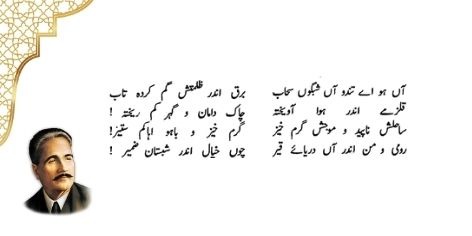
آن ہواے تندو آن شبگوں سحاب — برق اندر ظلمتش گم کردہ تاب
قلزمے اندر ہوا آویختہ — چاک دامان و گہر کم ریختہ!
ساحلش ناپید و موجش گرم خیز — گرم خیز و باہو اہاکم ستیز!
رومی و من اندر آن دریاے قیر — چوں خیال اندر شبستانِ ضمیر!
Roman Urdu:
Aan hawaye tund-o-aan shabgoon sahaab — Barq andar zulmat-ash gum karda taab
Qulzame andar hawa aawekhta — Chaak daaman-o-gohar kam reekhta!
Sahil-ash na-paid-o-moaj-ash garm khaiz — Garm khaiz-o-ba hawa ha kam sateez!
Roome-o-man andar aan darya-e-qeer — Chuun khayal andar shabistan-e-zameer!
English Translation:
That fierce wind and that night-like dark cloud, in whose deep blackness even the lightning had lost its brilliance. It was like an ocean suspended in the air, whose garment was torn yet very few pearls (rain) fell from it! Its shores were nowhere to be seen, and its waves were rising rapidly; rising swiftly and barely wrestling with the wind! Rumi and I were inside that pitch-black sea of tar, just like a passing thought inside the dark chamber of the conscience!
Urdu Translation:
وہ تیز اور تند ہوا اور رات کی طرح سیاہ بادل، جس کی گہری تاریکی اور سیاہی میں بجلی بھی اپنی چمک کھو چکی تھی۔ فضا میں لٹکا ہوا وہ ایک ایسا سمندر تھا جس کا دامن تو پھٹا ہوا تھا لیکن اس میں سے بارش کے موتی بہت کم گر رہے تھے۔ اس کا کوئی ساحل نظر نہیں آتا تھا اور اس کی موجیں بڑی تیزی سے ابھر رہی تھیں؛ یہ موجیں تیزی سے اٹھ کر فضا سے ٹکراتی تھیں۔ رومی اور میں اس تاریک اور سیاہ سمندر (دریائے قیر) کے اندر اس طرح سفر کر رہے تھے جیسے انسان کے باطن کے اندھیرے کمرے میں کوئی پوشیدہ خیال سفر کرتا ہے۔
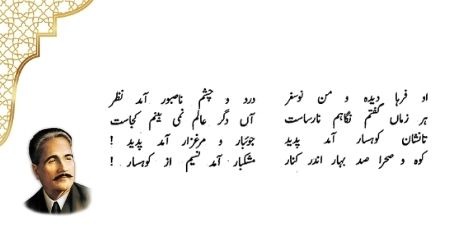
او فربا دیدہ و من نو سفر — درد و چشم ناصبور آمد نظر
ہر زماں گفتم نگاہم نارساست — آں دگر عالم نمی بینم کجاست
ناگہاں کوہسار آمد پدید — جوئبار و مرغزار آمد پدید!
کوہ و صحرا صد بہار اندر کنار — مشکبار آمد نسیم از کوہسار!
Roman Urdu:
Oo safar-ha deeda-o-man naw-safar — Dar do chashm-e-nasaboor amad nazar
Har zaman goftam nigah-am na-rasast — Aan digar aalam nami beenam kujast
Nagehan kohsaar amad padeed — Joyebaar-o-marghzaar amad padeed!
Koh-o-sahra sad bahar andar kinar — Mushk-baar amad naseem az kohsaar!
English Translation:
He (Rumi) had witnessed many spiritual journeys, while I was a completely new traveler; hence, impatience appeared in my both looking eyes. At every moment I said, “My sight cannot reach its destination; where is that other world you spoke of? I cannot see it.” Until suddenly, the signs of a mountain range appeared, and flowing streams and green meadows came into view! The mountains and deserts there held a hundred springs in their embrace; and the breeze blowing from the hills was drenched in fragrance!
Urdu Translation:
مولانا رومی نے تو روحانی دنیا کے بہت سے سفر دیکھے ہوئے تھے، جبکہ میں اس راہ کا بالکل نیا مسافر تھا، اس لیے میری دونوں بیقرار آنکھوں میں بے چینی صاف ظاہر ہو رہی تھی۔ میں ہر لمحہ زبان سے یہ کہہ رہا تھا کہ میری نگاہ اصل منزل تک نہیں پہنچ پا رہی، وہ دوسرا جہان کہاں ہے جس کا آپ نے ذکر کیا تھا، مجھے تو نظر نہیں آتا۔ یہاں تک کہ اچانک ایک خوبصورت کوہسار کا نشان ظاہر ہوا، اور ندی نالے اور ہری بھرے سبزہ زار نظر آنے لگے! وہاں کے پہاڑ اور صحرا ایسے دلکش تھے جن کے دامن میں سینکڑوں بہاریں انگڑائیاں لے رہی تھیں اور پہاڑوں سے آنے والی ہوا خوشبو سے رچی بسی تھی۔
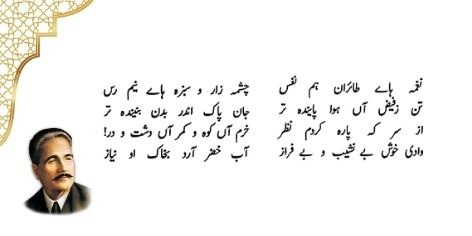
نغمہ ہاے طائرانِ ہم نفس — چشمہ زار و سبزہ ہاے نیم رس
تن ز فیضِ آں ہوا پاینڈہ تر — جانِ پاک اندر بدن بینندہ تر
از سرِ کہ پارہ کردم نظر — خرم آں کوہ و کمر آں دشت و در!
وادیِ خوش بے نشیب و بے فراز — آبِ خضر آرد بخاکِ او نیاز
Roman Urdu:
Naghma-haye ta’eraan-e-ham-nafas — Chashma-zaar-o-sabza-haye neem-ras
Tan zi faiz-e-aan hawa painda-tar — Jaan-e-paak andar badan beenanda-tar
Az sar-e-kah-para-e kardam nazar — Khurram aan koh-o-kamar aan dasht-o-dar!
Wadi-e-khosh be-nasheeb-o-be-faraaz — Aab-e-Khizar aarad ba khaak-e-oo niyaz
English Translation:
There were the songs of birds singing in harmony, along with flowing springs and fresh, newly-sprung grass. From the blessing of that pure air, the physical body became more enduring, and the pure soul within the body became more sharp-sighted. I cast my eyes from the top of a small hill; how blessed and beautiful were those mountains, valleys, plains, and doors! It was a beautiful valley without any ups and downs (perfectly level), to whose sacred dust even the water of Khizar (Water of Life) offered its ultimate devotion.
Urdu Translation:
وہاں ایک دوسرے کے ساتھی پرندوں کے خوبصورت چہچہانے کے راگ تھے، چشموں کا تسلسل تھا اور تازہ تازہ اگا ہوا ہرا سبزہ تھا۔ اس پاکیزہ فضا کے فیض سے میرا مادی جسم پہلے سے زیادہ پائیدار اور مضبوط ہو گیا، جبکہ بدن کے اندر موجود روح کائنات کے حقائق کو خوب دیکھنے والی بن گئی۔ میں نے ایک پہاڑی کی چوٹی پر کھڑے ہو کر نیچے نظر ڈالی، وہ پہاڑ، وادیاں، دشت اور درے کا نظارہ بے حد دلکش اور مبارک تھا۔ وہ ایک ایسی خوبصورت اور ہموار وادی تھی جس میں کوئی اونچ نیچ (نشیب و فراز) نہ تھی، اور اس کی مٹی کی پاکیزگی کا یہ عالم تھا کہ آبِ حیات (آبِ خضر) بھی اس کے سامنے سراپا انکسار تھا۔
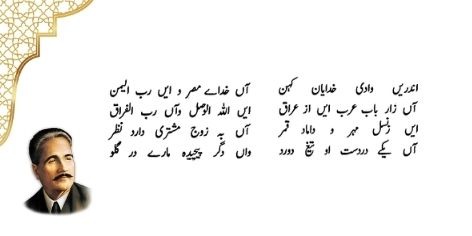
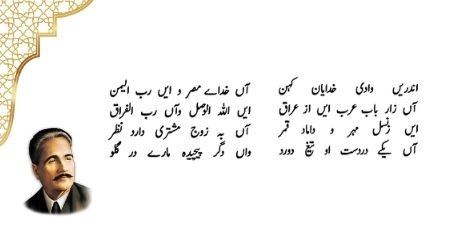
اندریں وادی خدایانِ کہن — آں خداے مصر و ایں ربِ الیمن
آں زار بابِ عرب ایں از عراق — ایں اللہ الوصل و آں رب الفراق
ایں ز نسلِ مہر و دامادِ قمر — آں بہ زوجِ مشتری دارد نظر
آں یکے در دستِ او تیغِ دو رو — واں دگر پیچیدہ مارے در گلو
Roman Urdu:
Andareen wadi khuda-yan-e-kuhan — Aan khuda-e-Misr-o-een rabb-il-Yaman
Aan zi arbab-e-Arab een az Iraq — Een ilah-ul-wasl-o-aan rabb-ul-firaq
Een zi nasal-e-mihr-o-daamad-e-qamar — Aan ba zawj-e-Mushtari darad nazar
Aan yake dar dast-e-oo teeg-e-do roo — Wan digar peecheeda maare dar galoo
English Translation:
Inside this valley dwelt the ancient gods of old: that one was the god of Egypt, and this one was the lord of Yemen. That one belonged to the false gods of Arabia, and this one was from Iraq; this one was the god of union, and that one was the lord of separation. This deity claimed descent from the Sun and was the son-in-law of the Moon, while that one kept his eyes fixed upon the planet Jupiter as his spouse. One of them held a two-edged sword in his hand, while another had a dangerous snake coiled around his neck.
Urdu Translation:
اس انوکھی وادی کے اندر پرانے زمانے کے مٹے ہوئے باطل خدا اور معبود موجود تھے۔ ان میں کوئی تو قدیم مصر کا دیوتا تھا اور کوئی اہلِ یمن کا رب بنا ہوا تھا۔ کوئی عرب کے پرانے ارباب اور بتوں میں سے تھا تو کوئی عراق والوں کا معبود تھا؛ ایک ملاپ (وصل) کا دیوتا تھا تو دوسرا جدائی (فراق) کا رب تھا۔ ان میں سے کوئی دیوتا خود کو سورج کی نسل سے اور چاند کا داماد کہتا تھا، تو کوئی سیارہ مشتری کو اپنی زوج بنا کر اس پر نظر رکھے ہوئے تھا۔ ان جھوٹے خداؤں میں سے کسی کے ہاتھ میں دو دھاری تلوار (تیغِ دو رو) چمک رہی تھی تو کسی کے گلے میں خوفناک سانپ لپٹا ہوا تھا۔
ہر یکے ترسندہ از ذکرِ جمیل — ہر یکے آزدہ از ضربِ خلیل
گفت مردوخ “آدم از یزداں گریخت — از کلیسا و حرم نالاں گریخت
تا بیفزاید بادراک و نظر — سوے عہدِ رفتہ باز آید دگر!
می برد لذت ز آثارِ کہن — از تجلی ہاے مادارد سخن!
Roman Urdu:
Har yake tarsanda az zikr-e-jameel — Har yake aazurda az zarb-e-Khaleel
Goft Mardookh “Aadam az Yazdan gureekht — Az kaleesa-o-haram nalaan gureekht
Ta bafzayed ba idraak-o-nazar — Soye ahd-e-rafta baaz aayed digar!
Mee-burad lazzat zi aasaar-e-kuhan — Az tajalli-haye ma darad sukhan!
English Translation:
Every single one of them was terrified of the beautiful remembrance of the One True God (Zikr-e-Jameel), and every one of them was wounded by the iconoclastic strike of Abraham (Khaleel)! Then the Babylonian god Mardookh spoke: “Today, man has fled away from God; he has fled away crying from both the Church and the Mosque! In order to increase his intellect and vision, he is turning back once again toward the ancient, forgotten era! He is deriving pleasure from ancient ruins and remnants, and talks only about our ancient splendors!”
Urdu Translation:
یہ سب کے سب باطل معبود اللہ تعالیٰ کے ذکرِ جمیل کی آواز سے بری طرح خوفزدہ تھے اور حضرت ابراہیم خلیل اللہؑ کی بت شکن ضرب کی یاد سے ملول و زخمی تھے۔ تب بابل کے دیوتا ’مردوخ‘ نے خوش ہو کر دوسرے بتوں سے کہا: “آج کا انسان خدائے واحد کی بندگی سے بھاگ گیا ہے؛ وہ گرجا گھر (کلیسا) اور مسجد (حرم) دونوں سے نالاں ہو کر مذہب سے دور بھاگ چکا ہے۔ اب وہ اپنی عقل اور نظریات میں اضافے کے لیے گزرے ہوئے قدیم جاہلیت کے دور کی طرف دوبارہ واپس لوٹ رہا ہے! وہ پرانے مٹے ہوئے آثارِ قدیمہ سے لذت حاصل کر رہا ہے اور ہر جگہ ہماری ہی پرانی تجلیوں اور داستانوں کا تذکرہ کر رہا ہے۔”
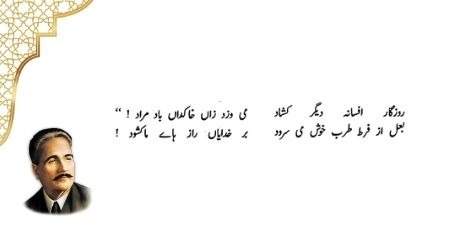
روزگار افسانہ دیگر کشاد — می وزد زاں خاکداں بادِ مراد!”
بعل از فرطِ طرب خوش می سرود — بر خدایاں راز ہاے ماکشود!
Roman Urdu:
Rozgar afsana-e-digar kushaad — Mee wazad zan khaakdaan baad-e-muraad!”
Baal az fart-e-tarab khosh mee sarood — Bar khuda-yan raaz-haye ma kushaad!
English Translation:
“Time has opened a completely new chapter of myths; from that earthly dustbin (the world), a breeze carrying our desired victory is blowing!” Hearing this, the god Baal began to sing happily out of immense joy, and he revealed our hidden secrets to the assembly of those false gods!
Urdu Translation:
مردوخ نے اپنی بات جاری رکھتے ہوئے کہا: “زمانے نے ہمارے حق میں ایک نیا افسانہ کھول دیا ہے، اور اس مٹی کے ڈھیر (دنیا) سے ہماری دلی مراد کے مطابق بڑی سازگار اور موافق ہوا چل رہی ہے!” یہ سن کر ’بعل‘ دیوتا بہت زیادہ خوشی (فرطِ طرب) کے مارے جھوم اٹھا اور ایک گیت گانے لگا، اور اس نے ان تمام باطل خداؤں کے سامنے ہمارے موجودہ دور کے مادی و فکری راز کھول دیے۔
حاصلِ کلام
Urdu:
اس تمثیلی منظر کے ذریعے علامہ اقبال نے مغربی تہذیب اور جدید مادہ پرستی پر گہری چوٹ کی ہے۔ جب انسان اللہ کی توحید اور مذہب کی اخلاقی پابندیوں سے آزاد ہوتا ہے، تو وہ ترقی کے نام پر دراصل پرانی جاہلیت اور بت پرستی کی طرف لوٹ رہا ہوتا ہے۔ قدیم زمانے کے مٹے ہوئے دیوتا (مردوخ اور بعل) اس بات پر جشن منا رہے ہیں کہ جدید دور کا انسان مسجد اور چرچ سے باغی ہو کر دوبارہ مادی چیزوں، قومیت، نسل اور اقتدار کے جھوٹے بتوں کو پوجنے لگا ہے، جو کہ انسانیت کی معراج نہیں بلکہ زوال ہے۔
Roman Urdu:
Is tamsili manzar ke zariye Allama Iqbal ne Maghribi tahzeeb aur jadeed mada-parasti par gehri chot ki hai. Jab insan Allah ki tauheed aur mazhab ki ikhlaqi pabandiyon se azad hota hai, toh woh taraqqi ke naam par darasl purani jahiliyat aur but-parasti ki taraf laut raha hota hai. Qadeem zamane ke mite hue deota (Mardookh aur Baal) is baat par jashn mana rahe hain ke jadeed daur ka insan masjid aur church se baaghi ho kar dobara madi cheezon, qaumiyat, nasl aur iqtidaar ke jhoote buton ko poojne laga hai, jo ke insaniyat ki me’raj nahi balkay zawal hai.